Beyond the Tuxedo: The Evolution of Wedding Attire and the Rise of the Personal Investment Piece
Weddings have long been viewed as a cornerstone of human celebration, a beautiful public declaration of partnership, love, and commitment. Yet, just as the ways we celebrate relationship milestones have transformed over the generations, so too has the attire worn to commemorate them. Today, we are witnessing a beautiful shift away from the rigid, formulaic dress codes of the past toward a new era of highly customized, deeply personal style.
If you are currently preparing for your own celebration, understanding the history of wedding fashion can offer incredible inspiration for choosing a garment that feels uniquely yours.
The Formal Foundations: A Brief History of the Tuxedo
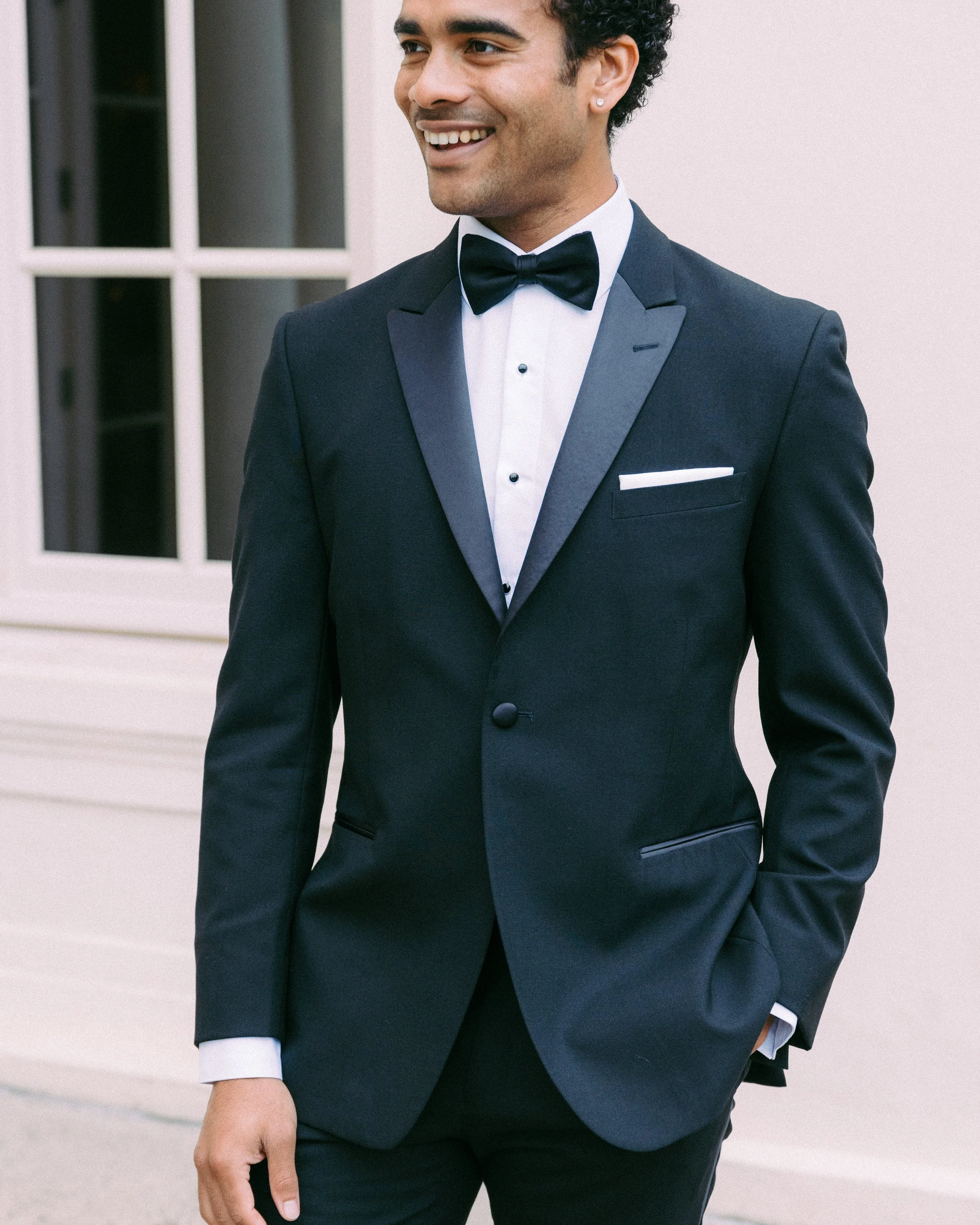
To understand where wedding attire is going, it helps to look at where it began. For over a century, the formal tuxedo stood as the undisputed gold standard for evening celebrations. The garment’s origins trace back to the late 19th century, famously emerging from Tuxedo Park, New York, in the 1880s. It was originally designed as a slightly less restrictive alternative to the ultra-formal "white tie and tails" that dominated the Victorian elite's social calendar.
When an individual chose a tuxedo for their wedding in the early-to-mid 20th century, they were stepping into a strict, unchanging tradition. The classic tuxedo was defined by precise rules: black or midnight blue wool, satin or grosgrain lapels, a matching shiny stripe down the trouser leg, and a compulsory cummerbund or low-cut waistcoat.
For decades, this uniform provided a sense of timeless elegance, but it offered very little room for personal expression. Every wearer looked remarkably similar, participating in a collective aesthetic that prioritized conformity and tradition over individuality.
Relaxing the Rules: The Shift to the Suit
As the mid-to-late 20th century brought sweeping cultural shifts, wedding formats began to diversify. Ceremonies moved out of grand houses of worship and formal ballrooms and into beaches, backyards, public parks, and rustic barns. With this change of scenery came a natural relaxation of the dress code, marking a major transition from the traditional tuxedo to the modern lounge suit.
Suits opened up a world of stylistic freedom. Unlike the tuxedo, which is traditionally restricted to evening affairs and a strict monochrome palette, a high-quality suit could be worn beautifully at any time of day and in a wide spectrum of colors. Navy, charcoal, and lighter grays quickly became wedding staples.
This evolution allowed the wearer to feel more comfortable, approachable, and aligned with the specific atmosphere of their celebration. It was the first major step toward making wedding fashion feel truly human, accessible, and adaptive.
The Modern Era: Trending Toward the Deeply Personal
In the contemporary wedding landscape, the old rules have completely opened up. Today's marriers are no longer looking at historical etiquette handbooks to decide what to wear. Instead, they are looking inward, asking how their attire can reflect their unique personality, cultural heritage, and values.
Personalization has become the ultimate trend. We see this firsthand in the explosion of unexpected color palettes, ranging from rich emerald greens and warm terracotta to soft pastels and deep plums. Textures have also taken center stage: breathable linen makes waves for summer celebrations, while plush velvets or heavy tweeds dominate colder seasons.
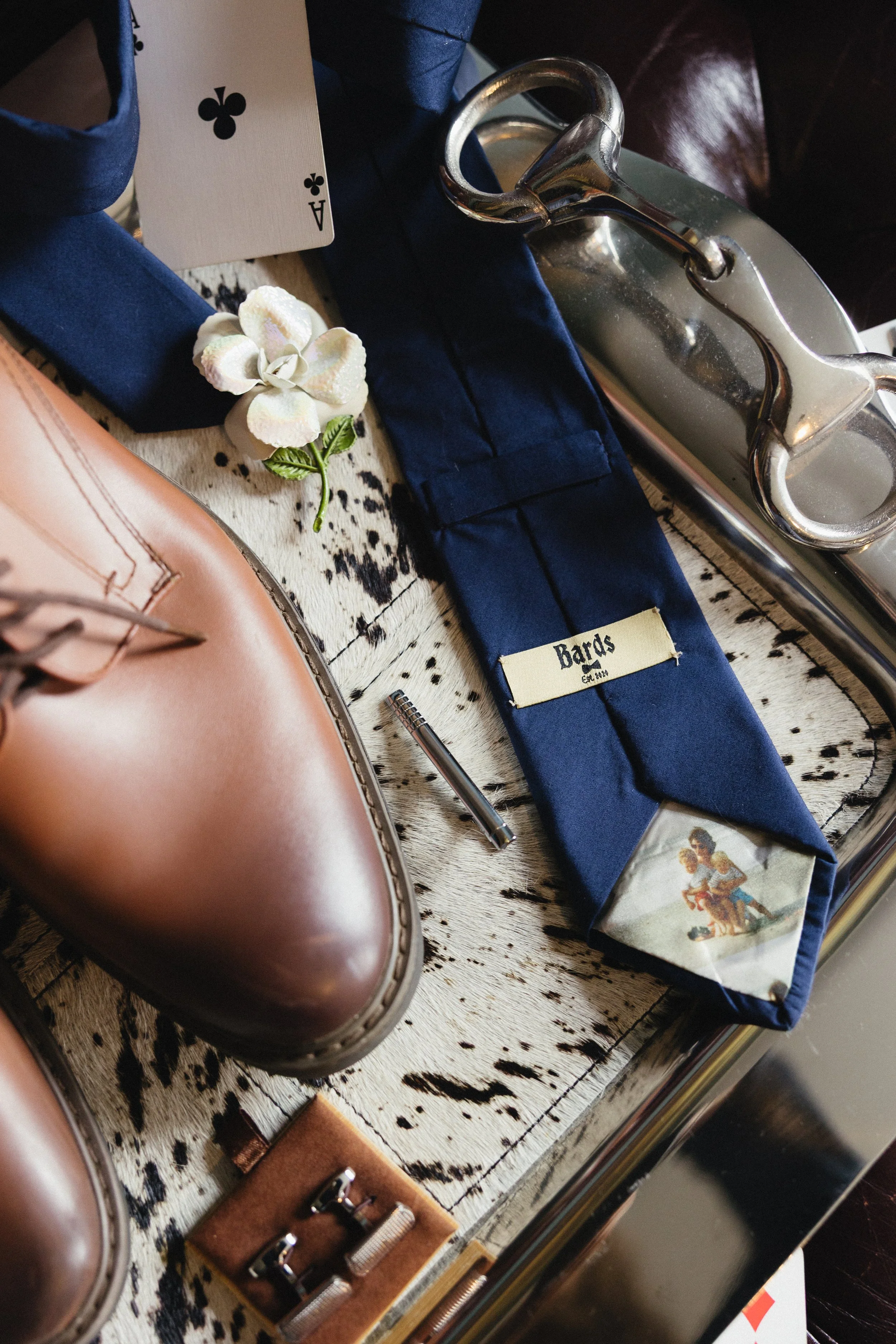
Furthermore, deeply personal details are now woven directly into the fabric of the day. A wearer might choose a custom inner lining printed with images that mean something to them, or have their wedding date, initials, or a meaningful phrase embroidered under the collar or inside a pocket. It is no longer about matching a static, external standard; it is about storytelling through textiles.
The Custom Garment as an Investment Piece
Perhaps the most rewarding aspect of this modern shift is the move away from the traditional, temporary rental model toward the acquisition of a custom, made-to-measure garment. For generations, renting a tuxedo was standard practice, an individual spent money on a garment that did not fit perfectly, only to return it the following morning.
Choosing a custom suit or tailored ensemble transforms wedding attire from a single-day expense into a lifelong investment. When someone collaborates with a master tailor or custom clothier, they are investing in unparalleled construction, a precise fit tailored to their exact body shape, and premium fabrics that are built to endure.
Because these modern garments are designed around personal taste rather than overly formal, rigid guidelines, they are uniquely versatile. A beautifully fitted custom suit can be split into separates or worn as a full ensemble for years after the celebration. The wearer can proudly don their wedding suit for future anniversaries, career milestones, special evening events, or loved ones' weddings.
Every time they put it on, they are reminded of their wedding day, making the garment a living archive of their personal history. It represents a more sustainable, mindful approach to fashion, buying less, choosing better, and honoring craftsmanship.
Embracing Your Style Authentically
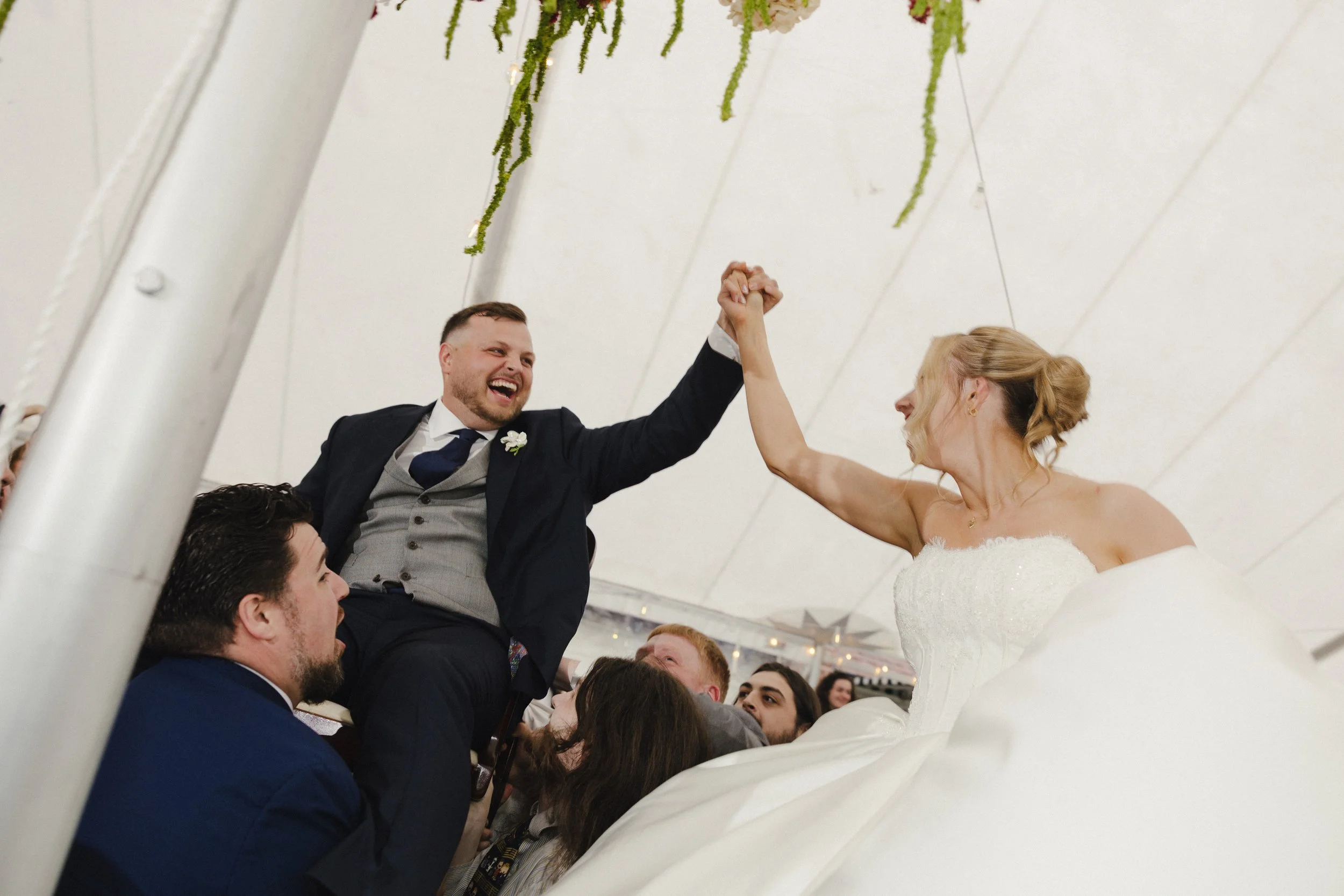
Whether someone ultimately chooses a classic, sharp tuxedo with a modern twist, a beautifully textured three-piece suit, or an entirely unconventional custom outfit, the core philosophy of modern wedding attire remains the same: authenticity.
When a person feels entirely comfortable and authentic in what they are wearing, it radiates through their posture, their smile, and their presence. By stepping away from rigid expectations and embracing a garment tailored explicitly to their body and soul, the modern wearer celebrates not just a partnership, but their true self.