

Blog
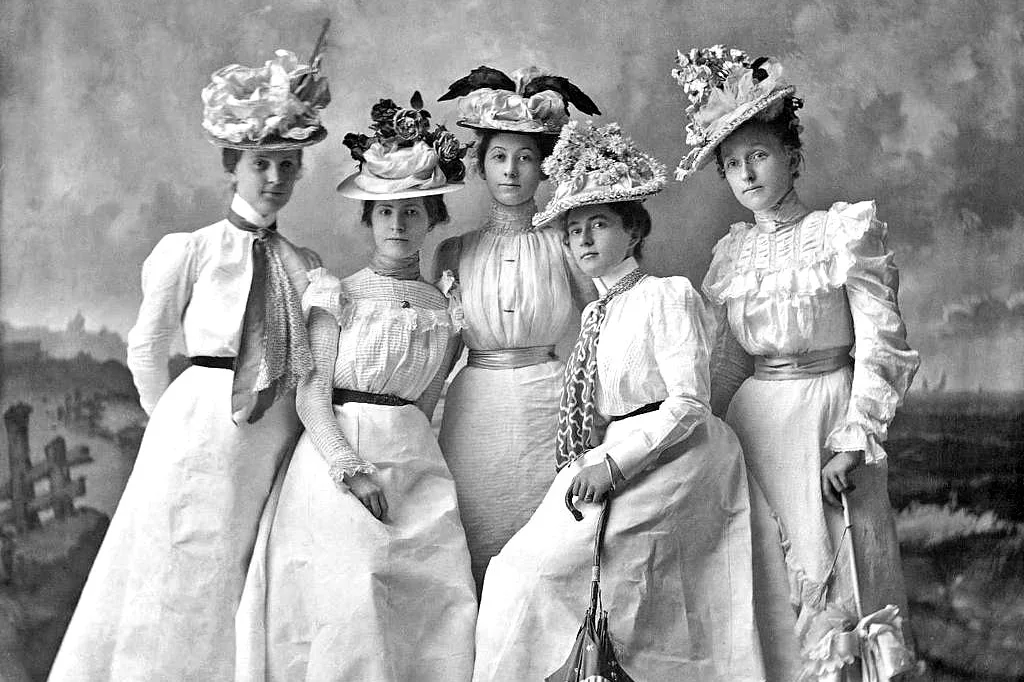
White Doesn't Know What Season It Is
Discover the history behind the “no white after Labor Day” fashion rule and why it no longer matters. Explore the origins of seasonal dressing, the connection between white clothing and social class, and how fabric, texture, and construction, not outdated fashion rules, should guide what you wear year-round.
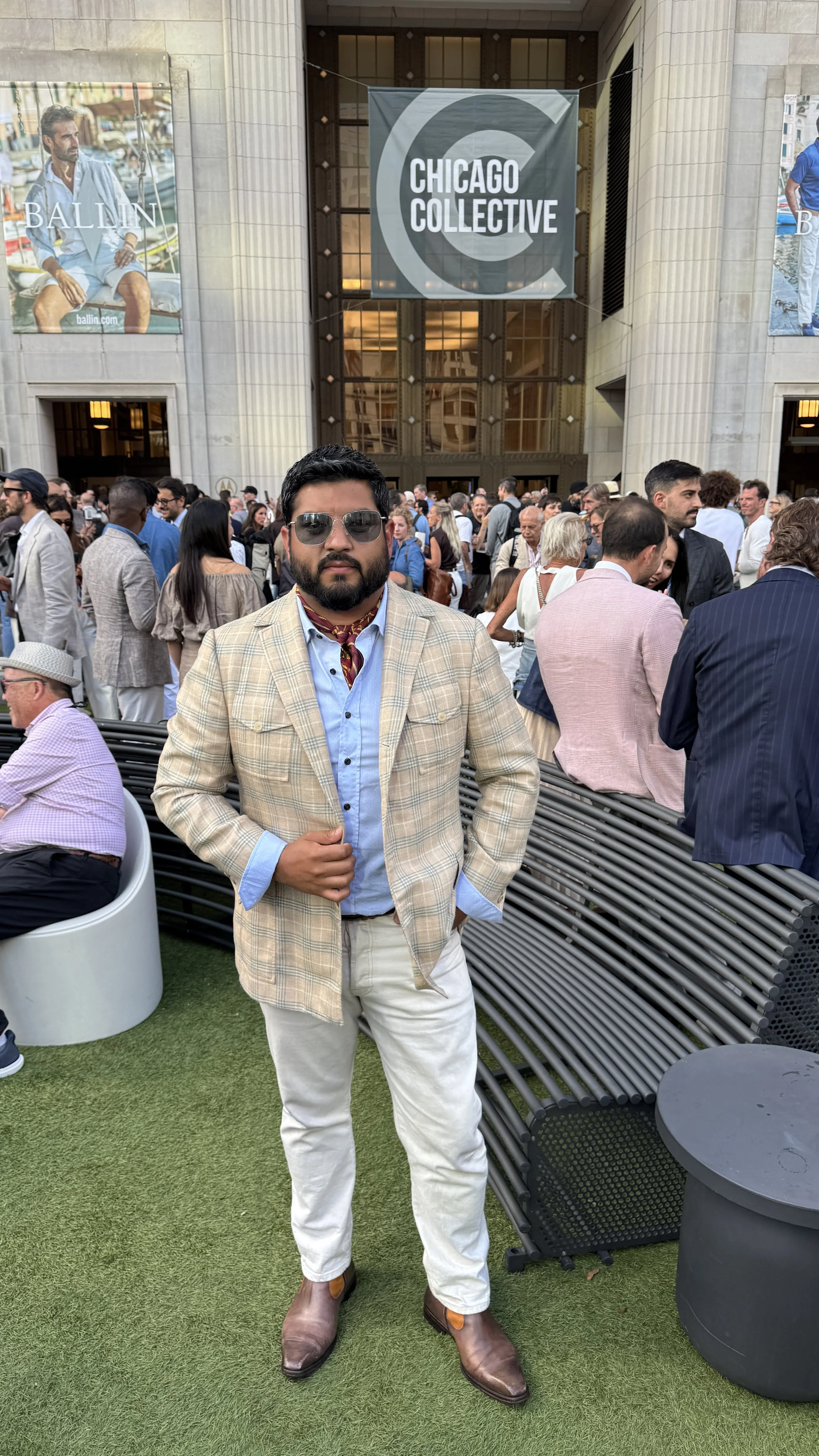
The People, Places, and Stories Behind Menswear
Explore Bards Clothing’s visit to the Chicago Collective, the world’s largest menswear trade show, and discover the people, brands, fabrics, and American craftsmanship shaping modern menswear. From American tailoring and garment factories to new fabrics and timeless clothing, see how Bards Clothing is helping keep American-made fashion meaningful.

The Future of Custom Clothing Is Built Together
Bards Clothing reflects on the 2026 Custom Tailors & Designers Association (CTDA) trade show, exploring the future of American-made custom clothing, craftsmanship, and community. Learn how new custom women's clothing, including wrap coats, dresses, and tailored garments, is expanding what's possible through ethical manufacturing and personalized design.
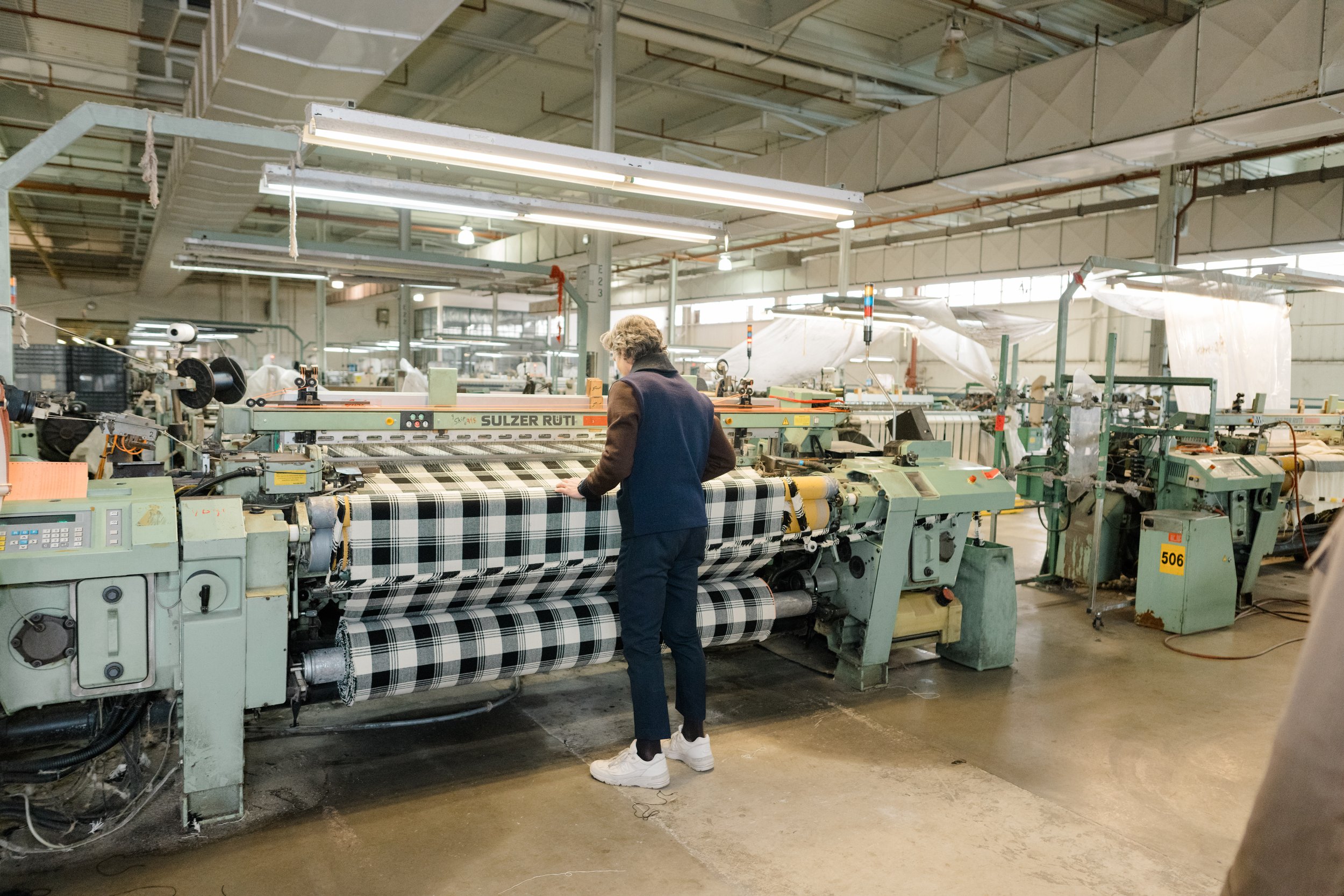
The Cost of Survival: Why Running an American Clothing Factory Is Harder Than You Think
Running a domestic clothing factory is a battle against fast fashion. Discover the history of American garment manufacturing, from its prime 100 years ago to the devastating job losses of the 1990s. The independent Made in USA clothing brands still operating today refuse to cut corners. Quality takes time, and supporting these survivors is the only way to rebuild a resilient domestic supply chain.
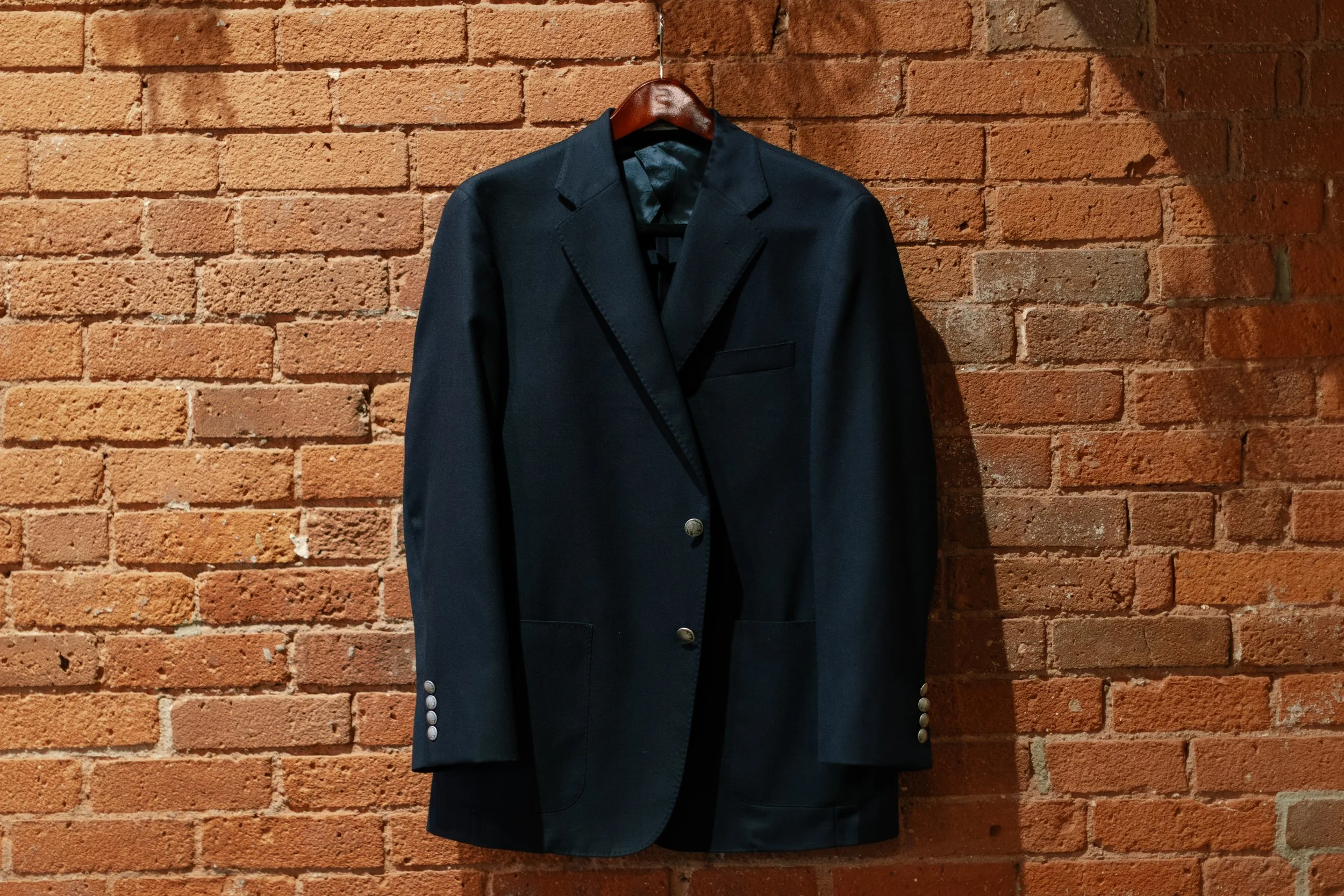
Meet the Minuteman Blazer
The Minuteman Blazer honors American Revolutionary spirit, built for readiness, purpose, and timeless style. Crafted from American Woolen fabric in Connecticut and constructed in Rochester, New York, this American grown & sewn blazer reflects true craftsmanship, New England heritage, and modern tailoring.

Dressed to Think: The Secret Psychology Behind What We Wear
Discover the psychology of physical appearance and how your clothes rewrite your brain. From enclothed cognition and 100-millisecond first impressions to the history of visual storytelling in fashion, explore why what we wear shapes how we think and connect. Master the psychology of fashion to dress deliberately.
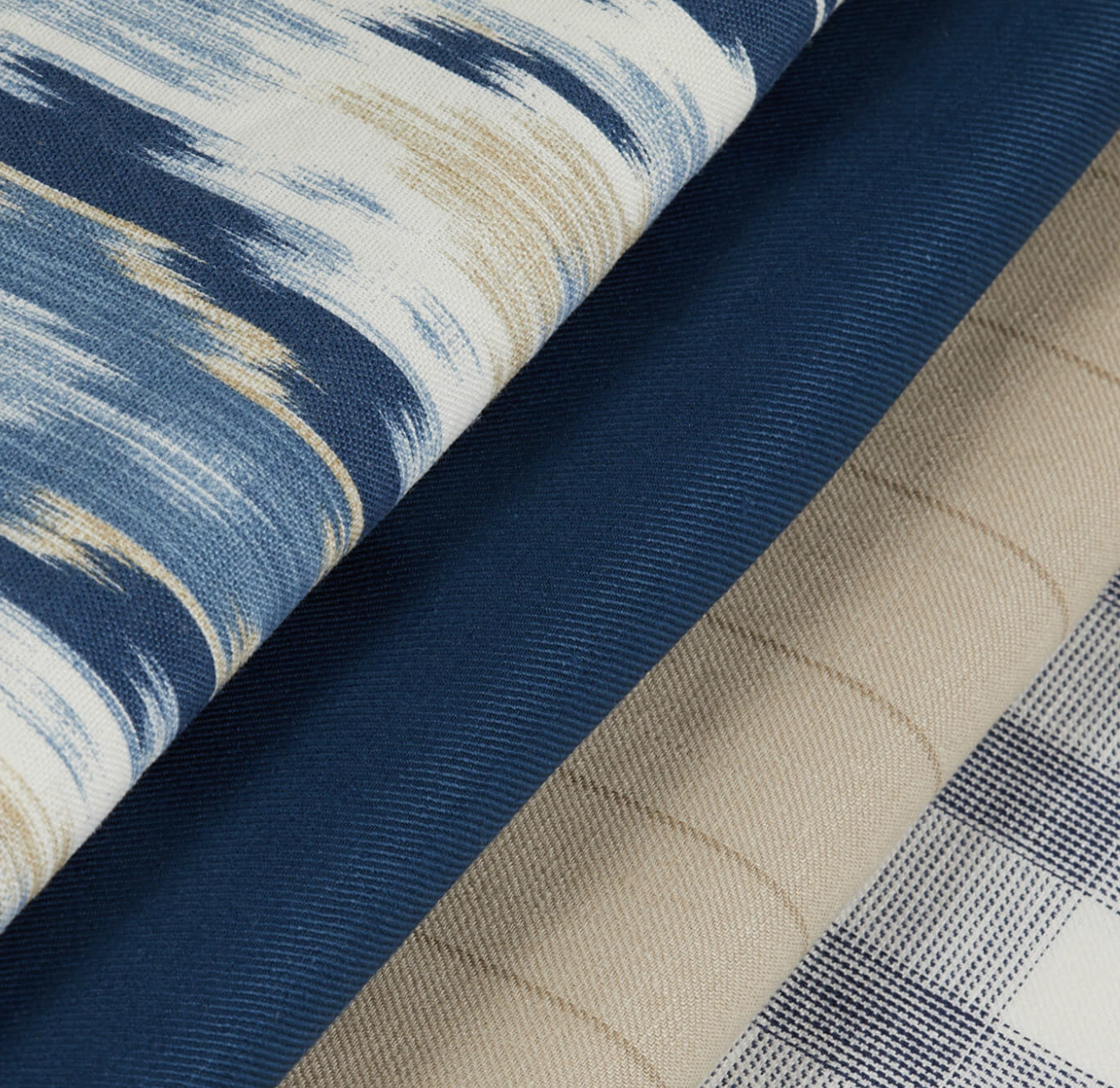
Plastic Belongs in Tupperware, Not Your Tailoring: Why Natural Fibers Rule
Plastic belongs in Tupperware, not your tailoring. Discover why natural fibers like wool, linen, and cashmere are essential for premium custom suits and blazers for men and women. Natural fabrics breathe, drape perfectly, and age beautifully. Stop suffocating in synthetics. Elevate your wardrobe and book your private custom tailoring fitting consultation today.

Beyond the Tuxedo: The Evolution of Wedding Attire and the Rise of the Personal Investment Piece
Explore the history of wedding attire, from classic tuxedos to modern suits, and discover the shift toward deeply personal wedding style. Learn how choosing a custom garment transforms a wedding look into a lifelong investment piece to wear for years to come. Embrace sustainable, tailored fashion that celebrates unique identity and timeless craftsmanship long after the special day.
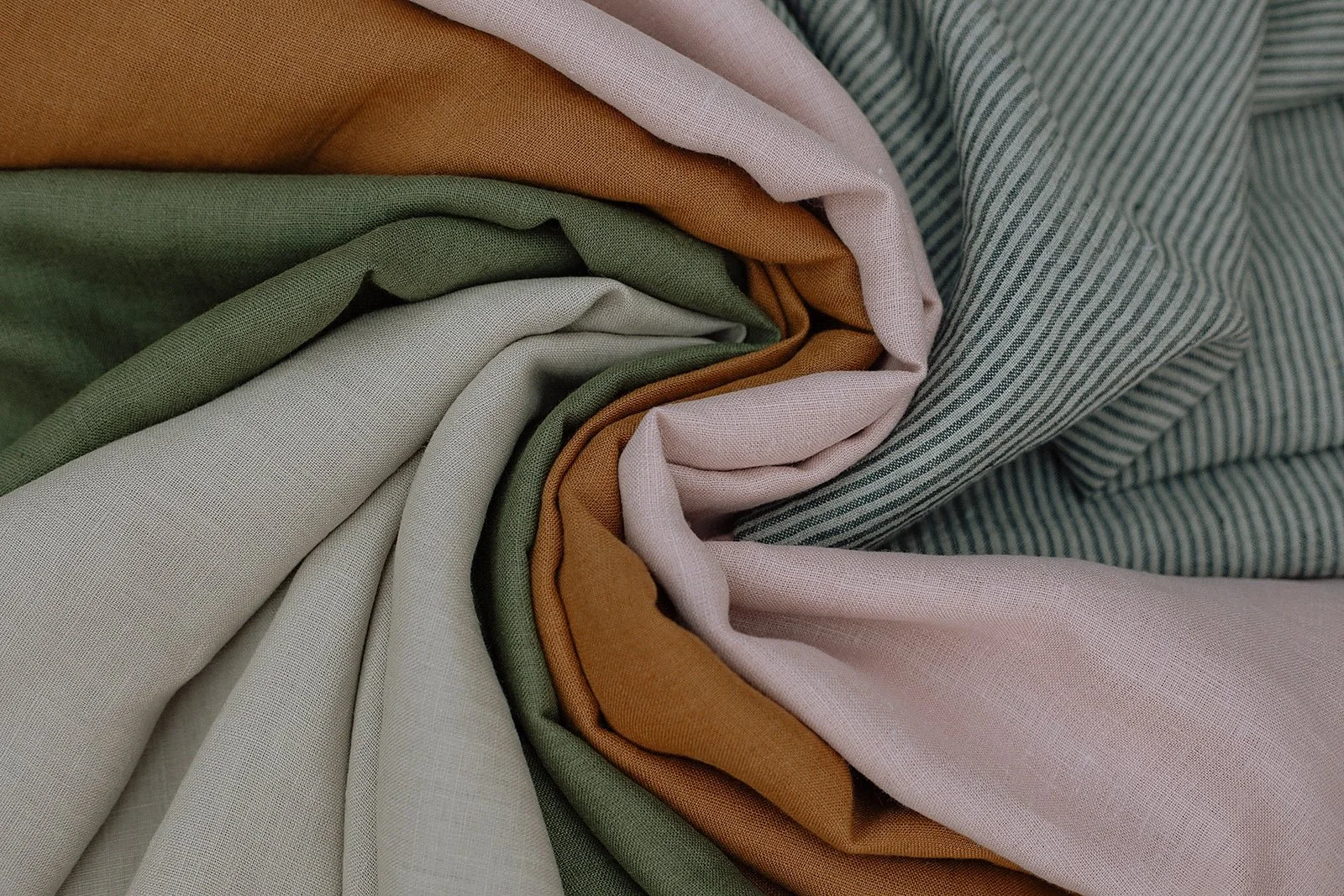
The Great Summer Fabric Myth: Why You’re Wearing the Wrong Clothes This Season
Ditch polyester. Natural summer fabrics are engineered to keep you cool. Linen is supposed to wrinkle, embrace the breezy texture. Lightweight tropical wool is a Middle Eastern staple because it’s breathable and moisture-wicking, not heavy. Don't buy the corporate lies of synthetic "wrinkle-free" clothes. Choose custom tailored clothing designed for your body and lifestyle.
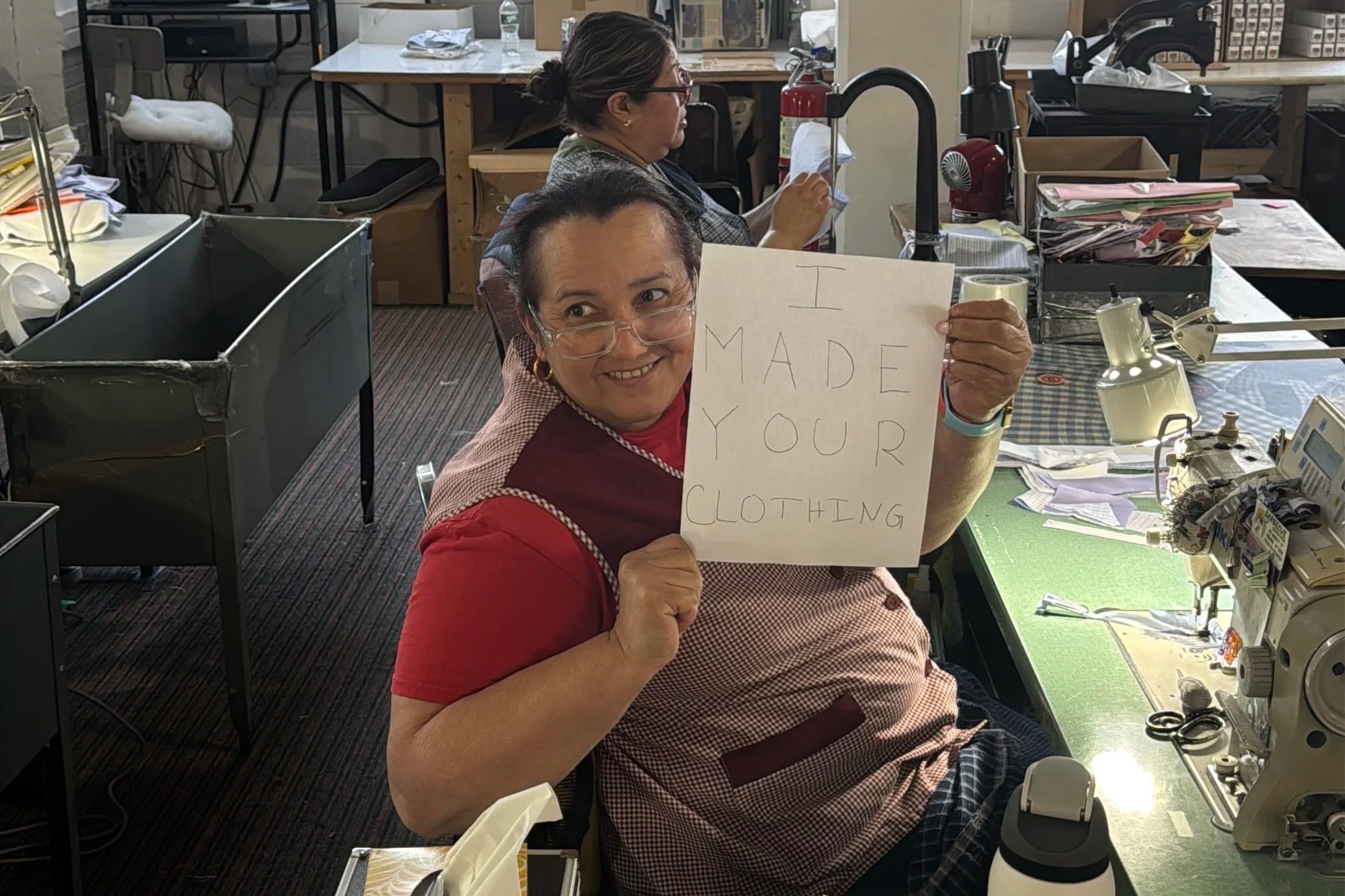
Beyond the Thread: Why "Made in America" is About People, Not Just Fashion
Meet Mitch Gambert, 3rd-generation owner of our New Jersey shirt factory, and the skilled garment workers keeping American manufacturing alive. Discover why choosing Made in USA clothing is about more than fashion, it’s an investment that supports local families, funds communities, and preserves historic craftsmanship. Read the stories behind our heritage shirts. Behind-the-scenes video inside!
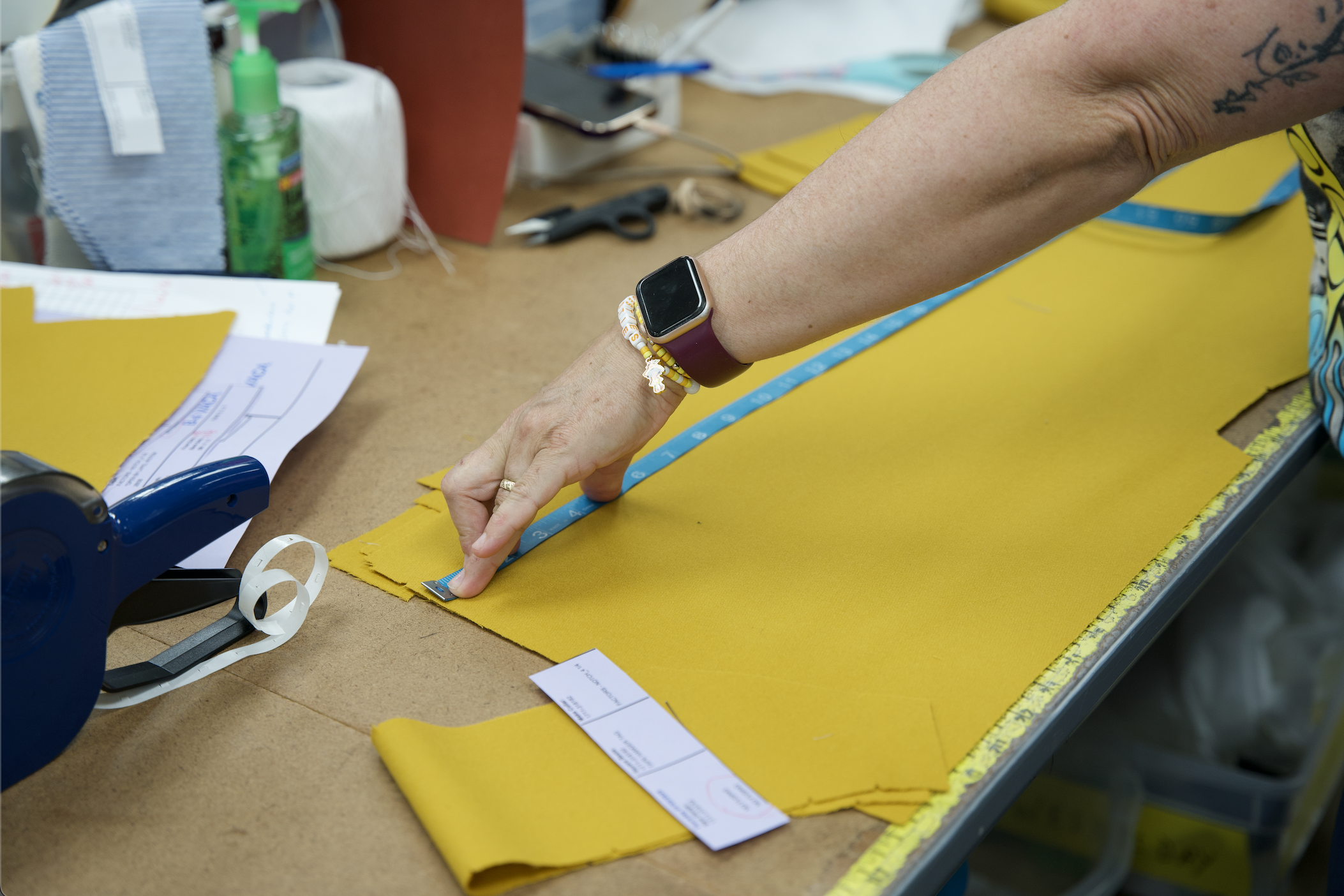
The Hidden Architecture Of Clothing: Why Pattern Making Defines Fit, Quality, And Value
Pattern making is the foundation of custom clothing, shaping fit, structure, and overall quality. From drafting precise patterns to adjusting for real human bodies, this process separates true craftsmanship from mass production. Learn how expert pattern work impacts garment pricing, fabric alignment, and why made-to-measure clothing delivers superior results.
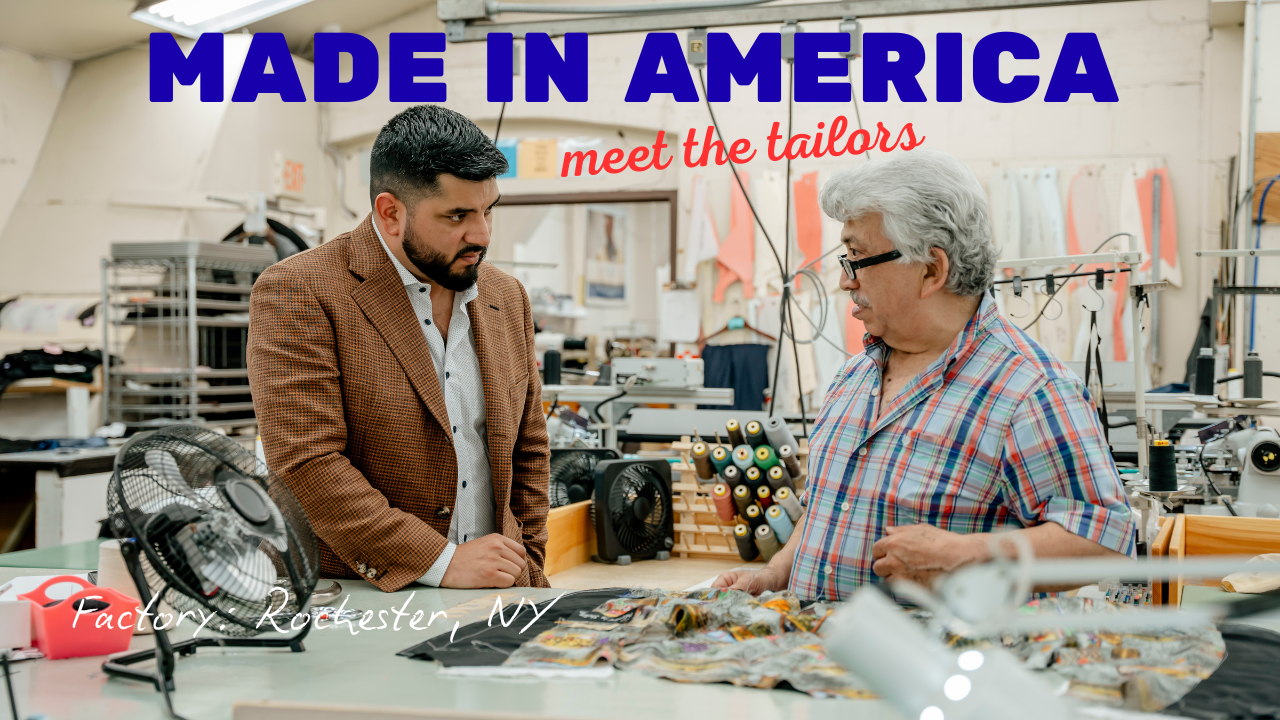
I Made Your clothing
Step inside American tailoring at or factory, Adrian Jules in Rochester, NY and discover the story behind custom clothing made in America. This blog explores expert tailors, sewing, and craftsmanship, highlighting why slow fashion, American garment workers, and locally made clothing create lasting value beyond fast fashion.
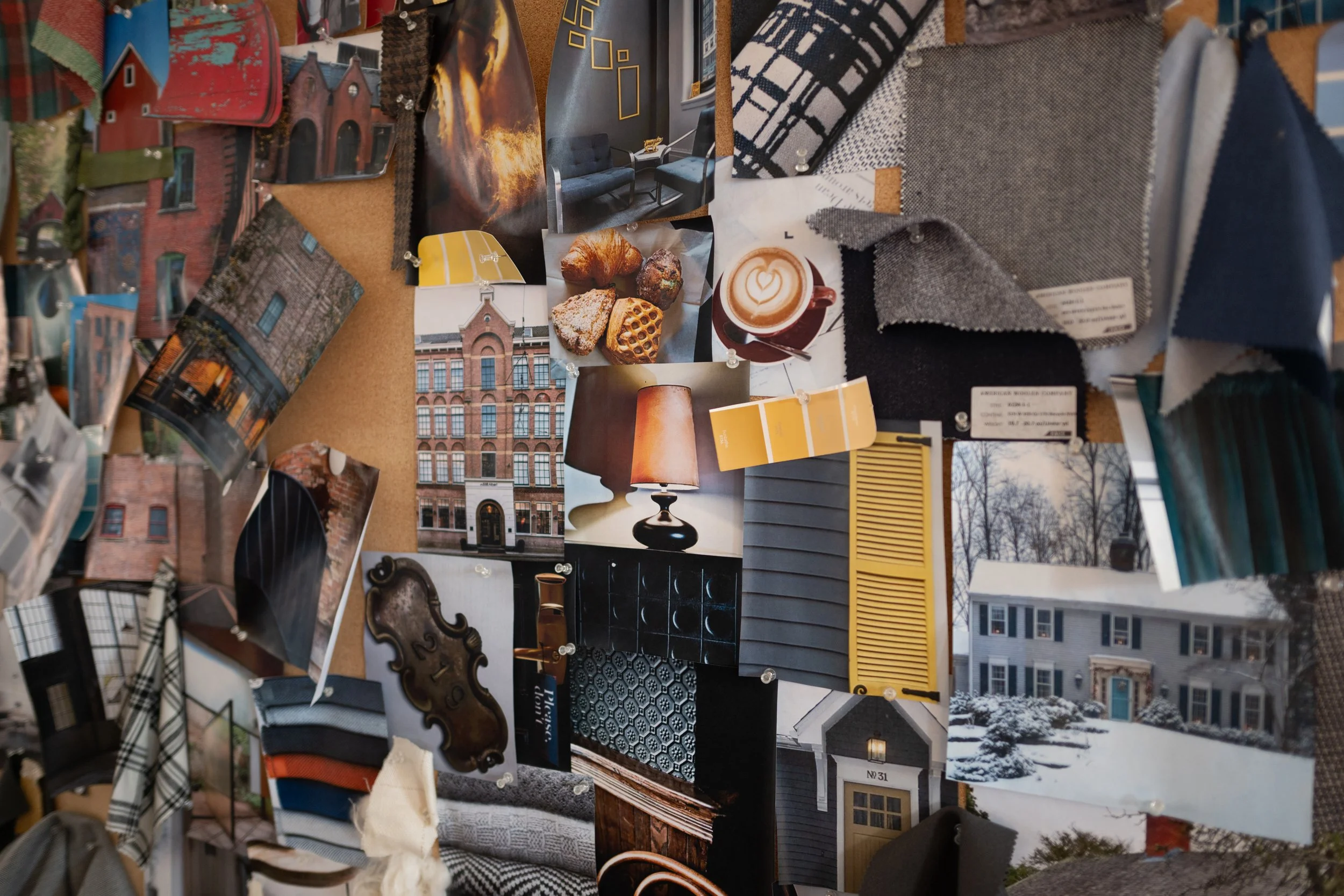
Where It Started: A Mill, A Memory, And The Meaning Of Making
A reflection on the Lowell Mills and American Woolen Company, this piece explores the roots of American garment manufacturing, the value of craftsmanship, and the importance of supporting American-made clothing. Discover how custom clothing, skilled labor, and domestic production keep the spirit of American fashion alive.
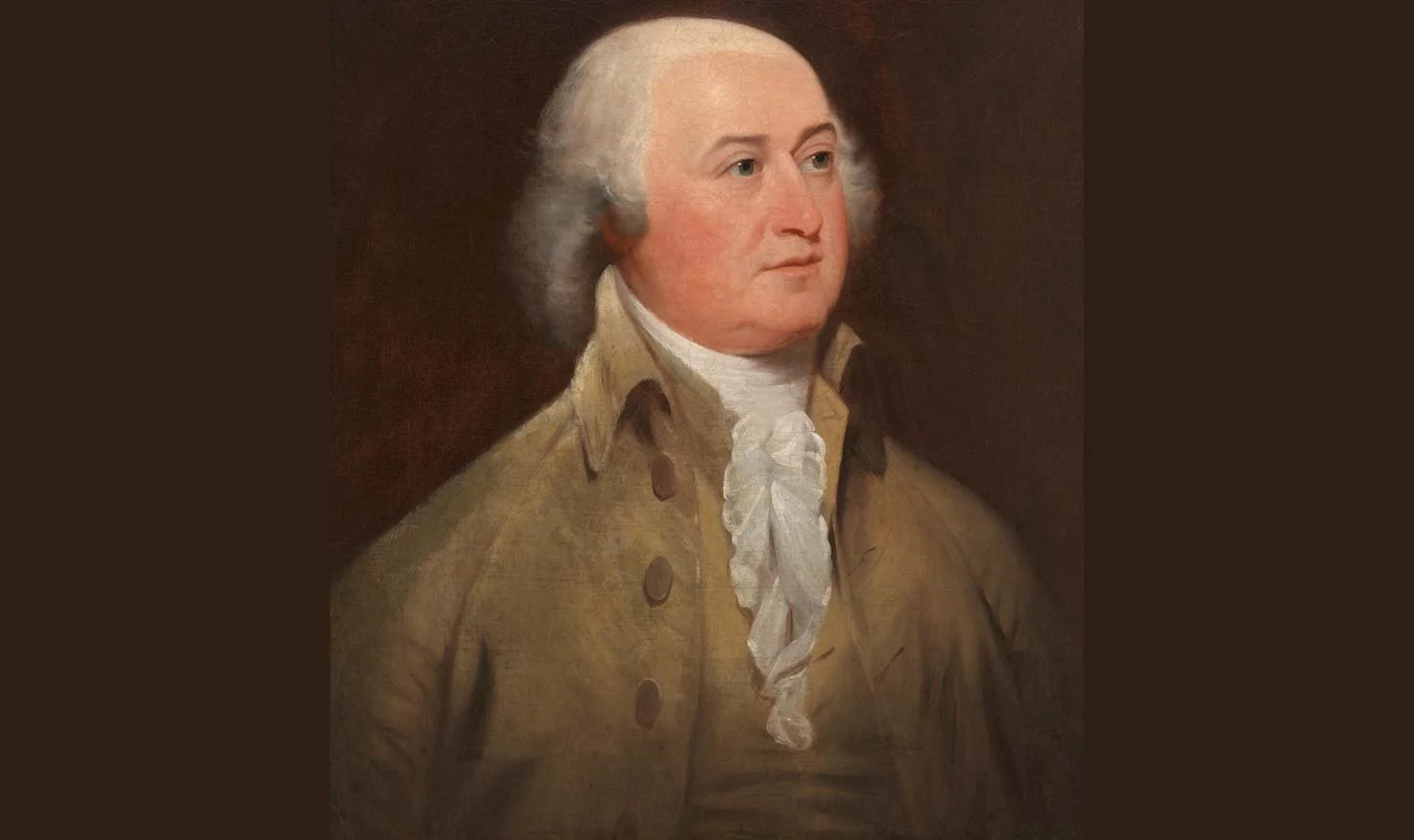
What do you wear to the birth of a Republic?
Discover how John Adams and George Washington championed American industry at their 1789 inauguration. Wearing "Federal Brown" broadcloth from the Hartford Woolen Manufactory, gifted by Jeremiah Wadsworth, they snubbed British imports for domestic wool. Learn about the Connecticut history behind this patriotic fashion statement and the legacy of early U.S. manufacturing.
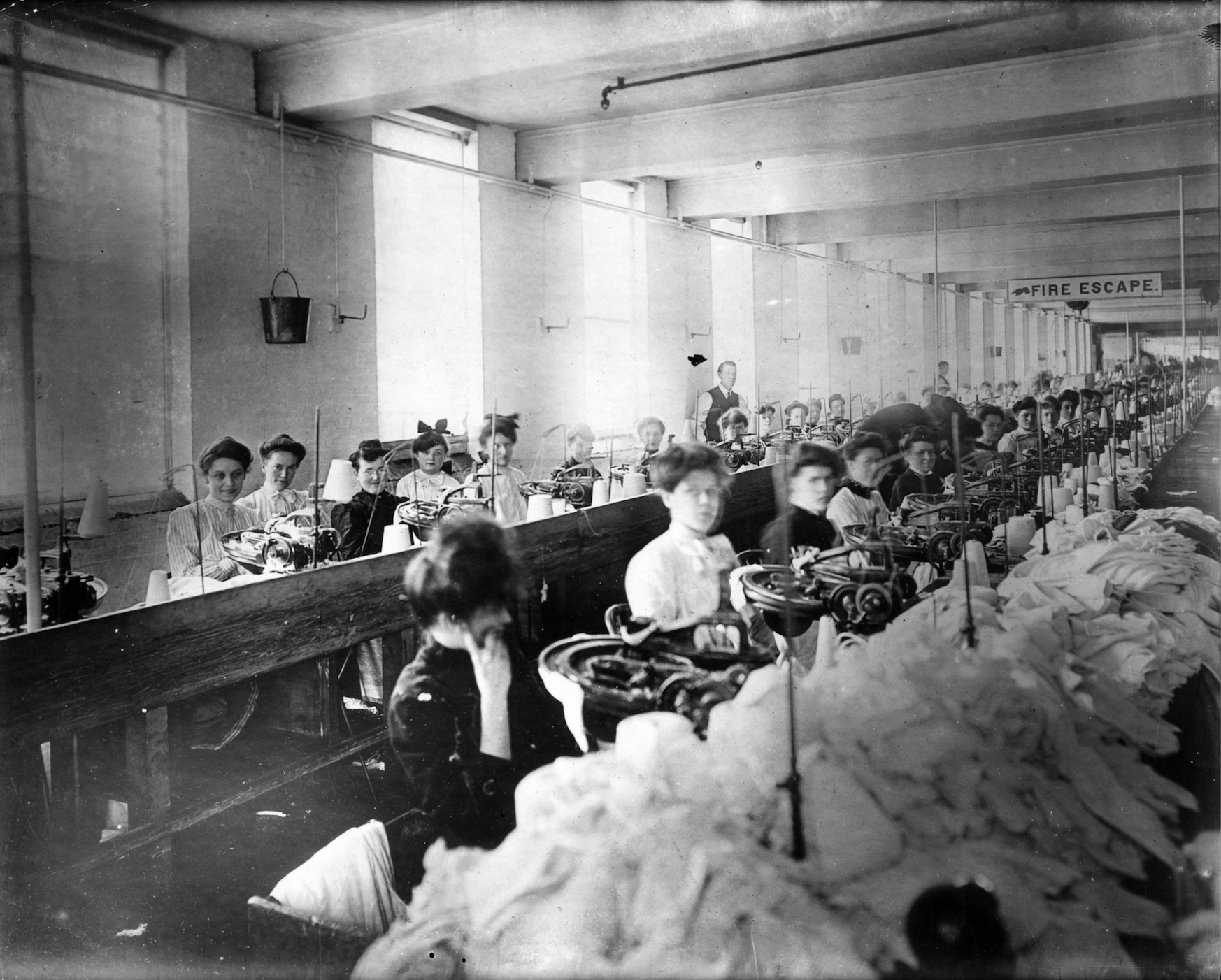
The Triangle Shirtwaist Factory Fire: A Turning Point In American Labor
115 Years ago today. The Triangle Shirtwaist Factory fire exposed unsafe garment factory conditions and led to major U.S. labor reforms. Today, much clothing production has moved overseas where protections vary. Supporting American-made clothing helps ensure higher safety standards, ethical labor, and transparency in the garment industry.
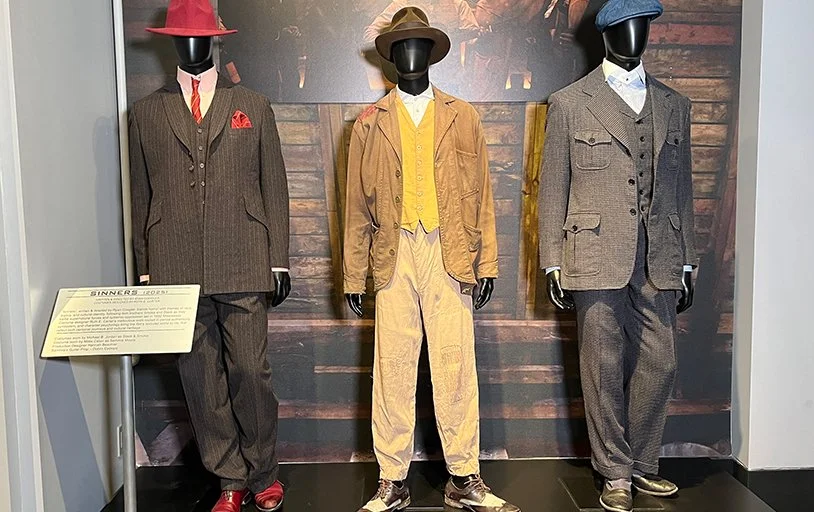
The Threads Of History: How Sinners Uses Costume Design To Bring The 1930s South To Life
The costume design in Sinners, led by Oscar-winning designer Ruth E. Carter, brings the 1930s Mississippi Delta to life with striking historical accuracy. From worn workwear to sharp Depression-era tailoring, the film’s wardrobe reflects the realities of the Jim Crow South while revealing character, culture, and class through authentic period clothing.
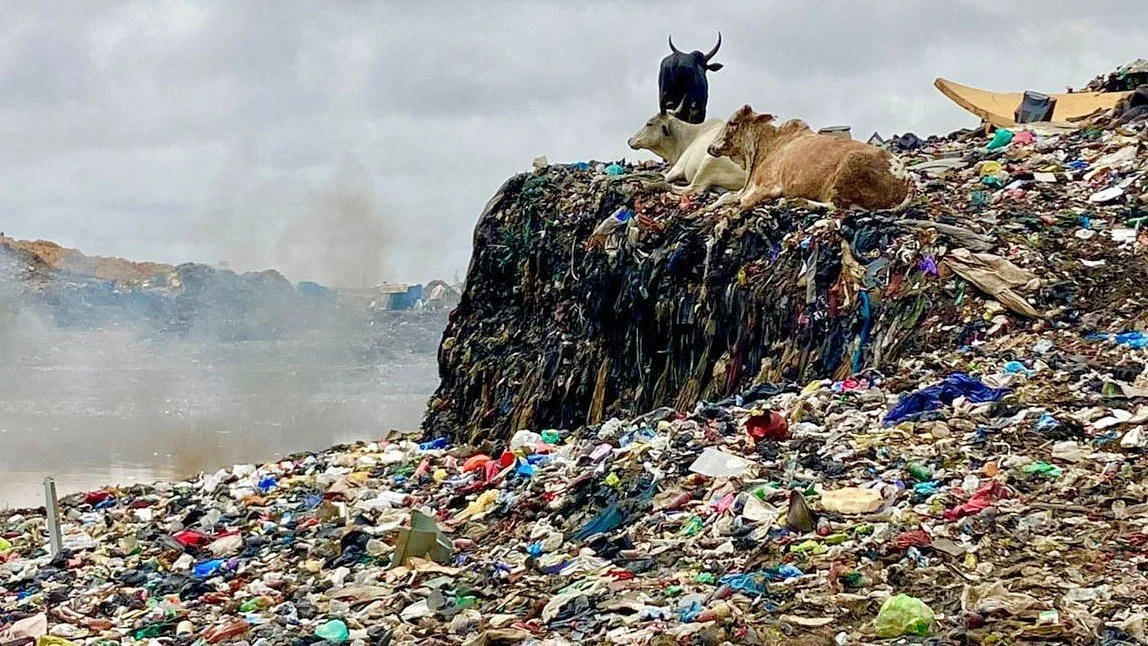
The Real Question Isn’t Why A Suit Costs $3,895. It’s Why One Costs $200.
Why does a suit cost $3,895, and how can another cost just $200? This blog breaks down the global journey of modern garments, from fabric production and international shipping to factory labor and retail markups. Discover the hidden economics of fast fashion and why the real question isn’t why quality clothing costs more, but why cheap clothing is so cheap.
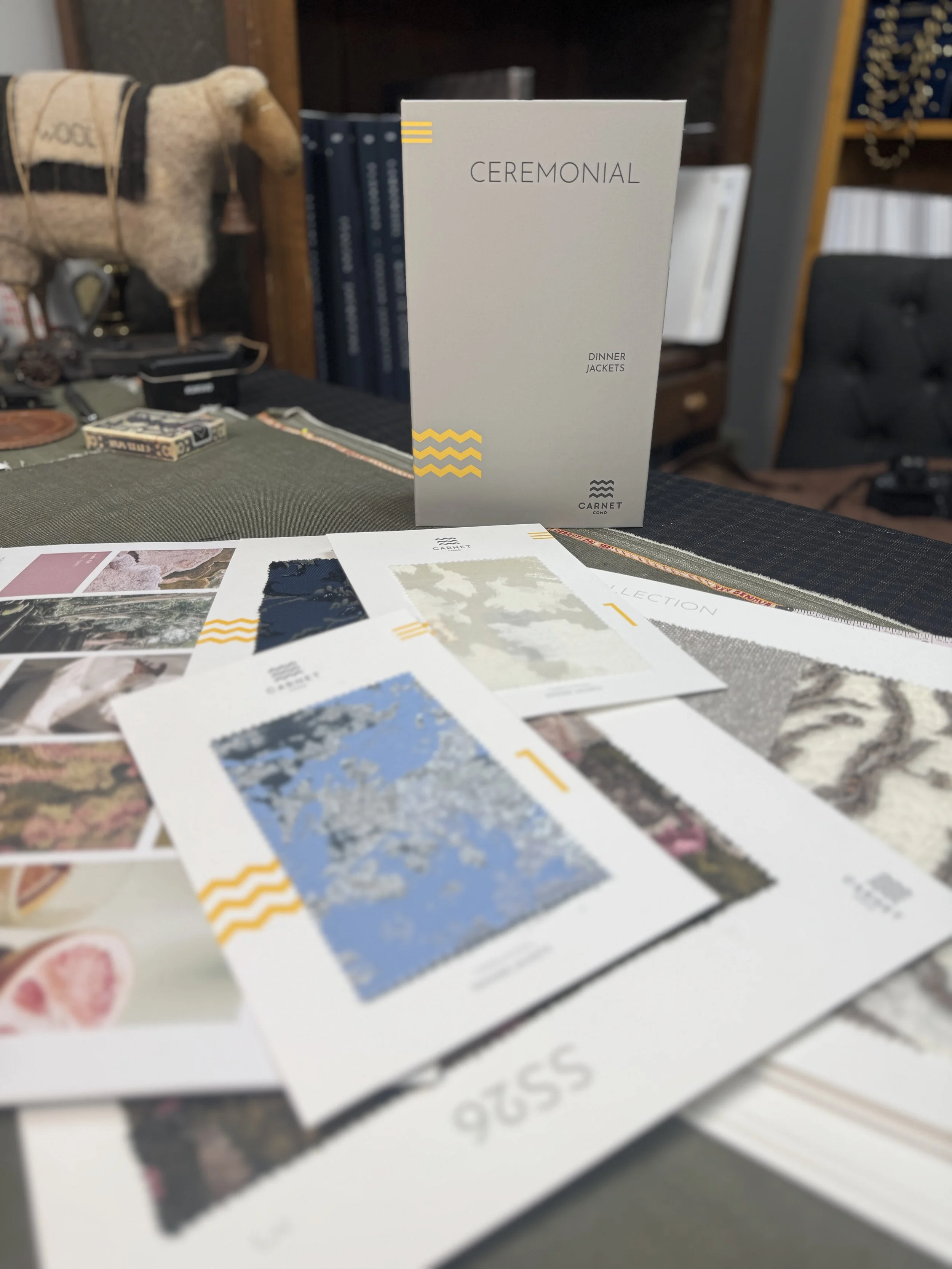
Carnet: The Fabric House Behind The Garments You Remember
Discover Carnet, the renowned Italian fabric house known for luxury wool, cashmere, and silk textiles crafted with precision and intention. Rooted in generations of Italian textile heritage, Carnet develops limited, high-performance fabrics prized for breathability, drape, and durability, forming the foundation of exceptional custom suits and timeless garments.

Before You Say “I Do”: A Guide To Choosing The Right Custom Wedding Garment (Part 1)
Planning a wedding and considering a custom suit or tuxedo? This guide breaks down the difference between suits and tuxedos, how to coordinate your wedding party, and what to know about different levels of customization. Learn how to choose a custom wedding garment that fits your style, budget, and the story you want to tell on your big day.
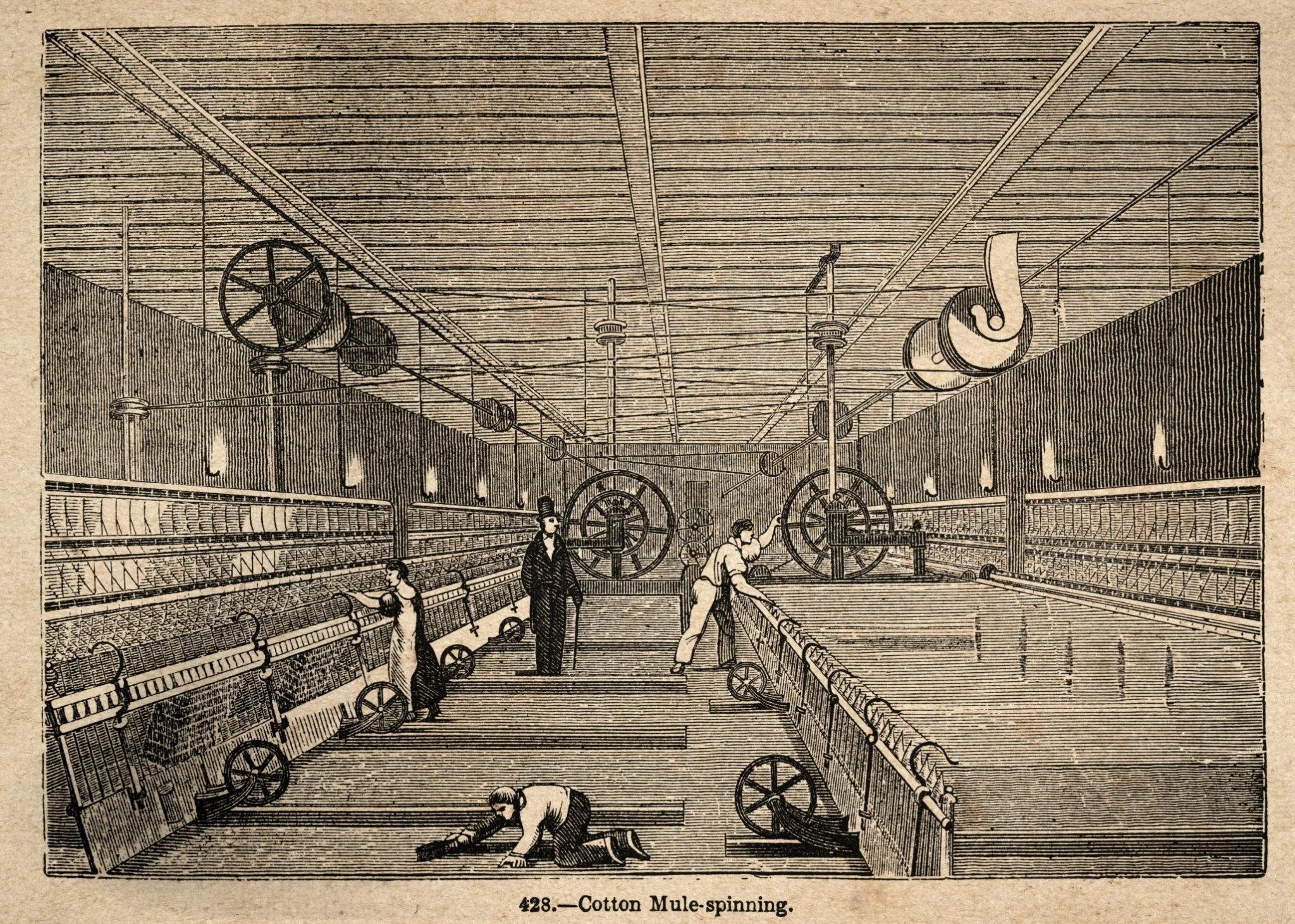
King Cotton, Slavery, And The Fabric Of America
This blog traces the rise of King Cotton and how American-grown cotton fueled the global textile industry through slavery and the Industrial Revolution. It explores how most U.S. cotton was exported for clothing production abroad, how domestic mills later grew, and how offshoring fractured America’s field-to-fabric supply chain, reshaping clothing from a durable good into a disposable commodity.