The Cost of Survival: Why Running an American Clothing Factory Is Harder Than You Think
If you walk through the doors of a modern American clothing factory, you aren’t just entering a place of business. You are stepping onto a economic battlefield.
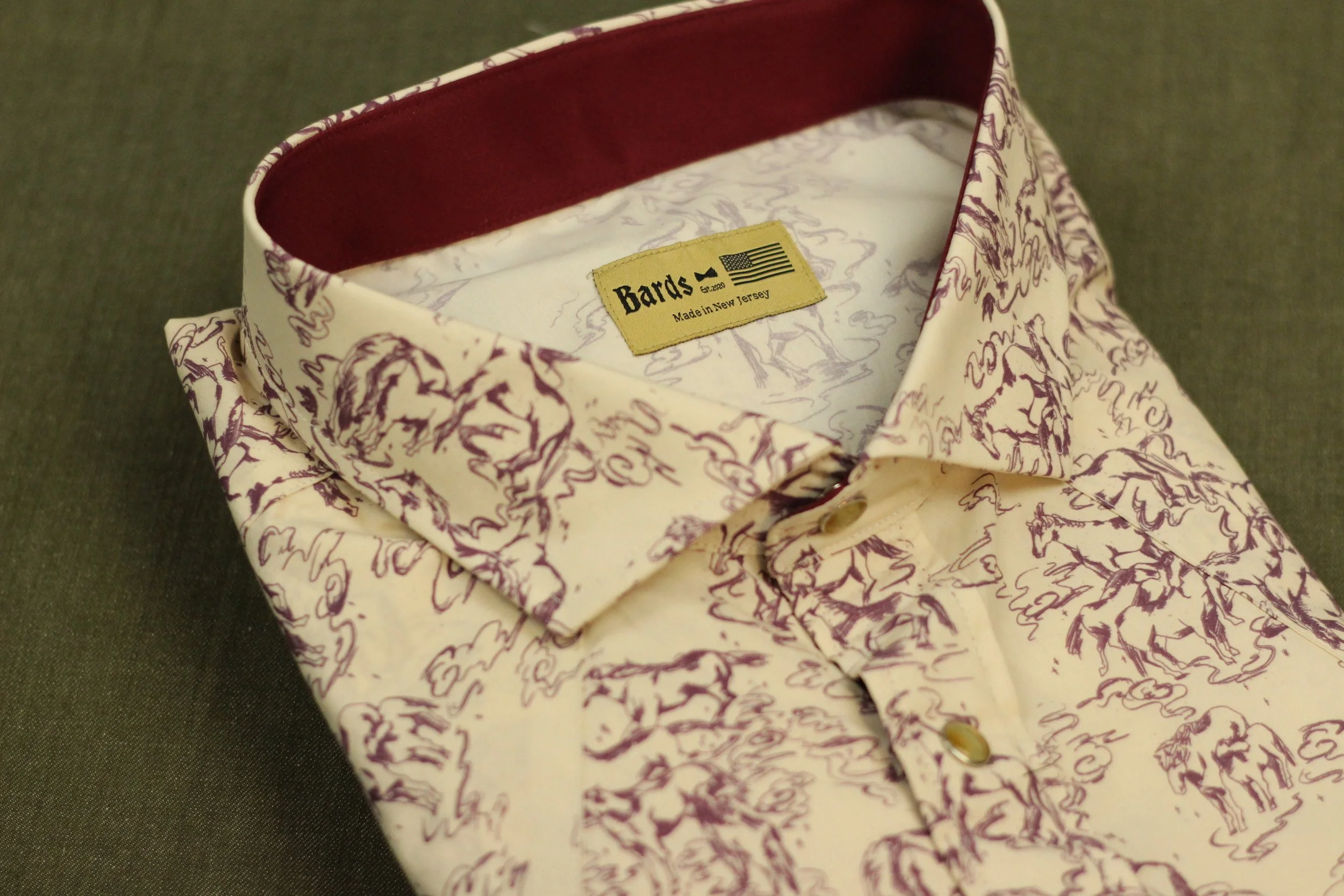
When you buy a piece of apparel with a "Made in the USA" tag stitched into the collar, you aren't just looking at fabric, buttons, and thread. You are looking at a survivor.
There is a massive disconnect today between the modern consumer experience and the reality of domestic production. The sheer ease of online shopping, where a thousand cheap options are a single click away, has distorted our collective understanding of what it actually takes to make things. To truly understand why supporting Made in USA clothing brands is an act of sheer defiance, we have to look back at the landscape that brought us here.
We have to look at the history of what we lost, the rise of the slow fashion movement, and what it takes for the few remaining American factories to stand tall.
The Evolution of the American Manufacturing Landscape
To understand the pressure modern factories face, it helps to look at how rapidly the domestic apparel landscape shifted over the last century.
1920s: Global Powerhouse ──> 1970s: 2.4M Workers ──> 1990s: Trade Agreements ──> 2010s: Ultra-Fast Fashion
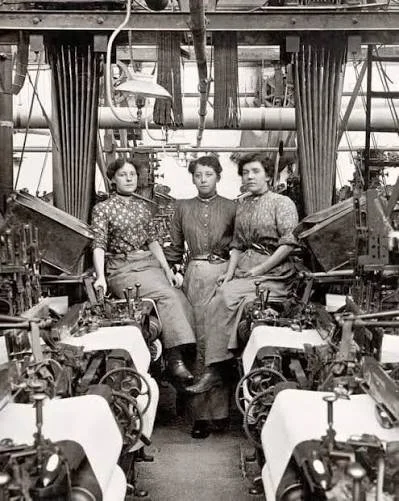
100 Years Ago: The Roaring Engine of Industry
Go back a century to the 1920s. The American manufacturing landscape was the undisputed engine of the global economy. Entire cities and towns across New England and the American South were built around textile mills and apparel plants. To work in a factory was to be part of the bedrock of the American middle class. We didn't just consume goods; we created them. We grew the cotton, spun the yarn, wove the fabric, and cut the patterns. "Made in America" wasn't a specialty niche, it was the baseline of global industry.
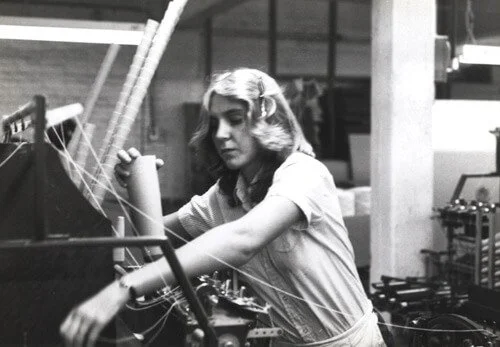
50 Years Ago: The Fracturing Standard
By the 1970s, the landscape was shifting. Automation was accelerating, and early corporate moves toward international supply chains were beginning to whisper a warning. Yet, domestic manufacturing was still a powerhouse. In 1973, the U.S. textile and apparel sector alone employed over 2.4 million people. A majority of Americans still wore clothes made by their neighbors, and the community roots of manufacturing remained deeply intact.
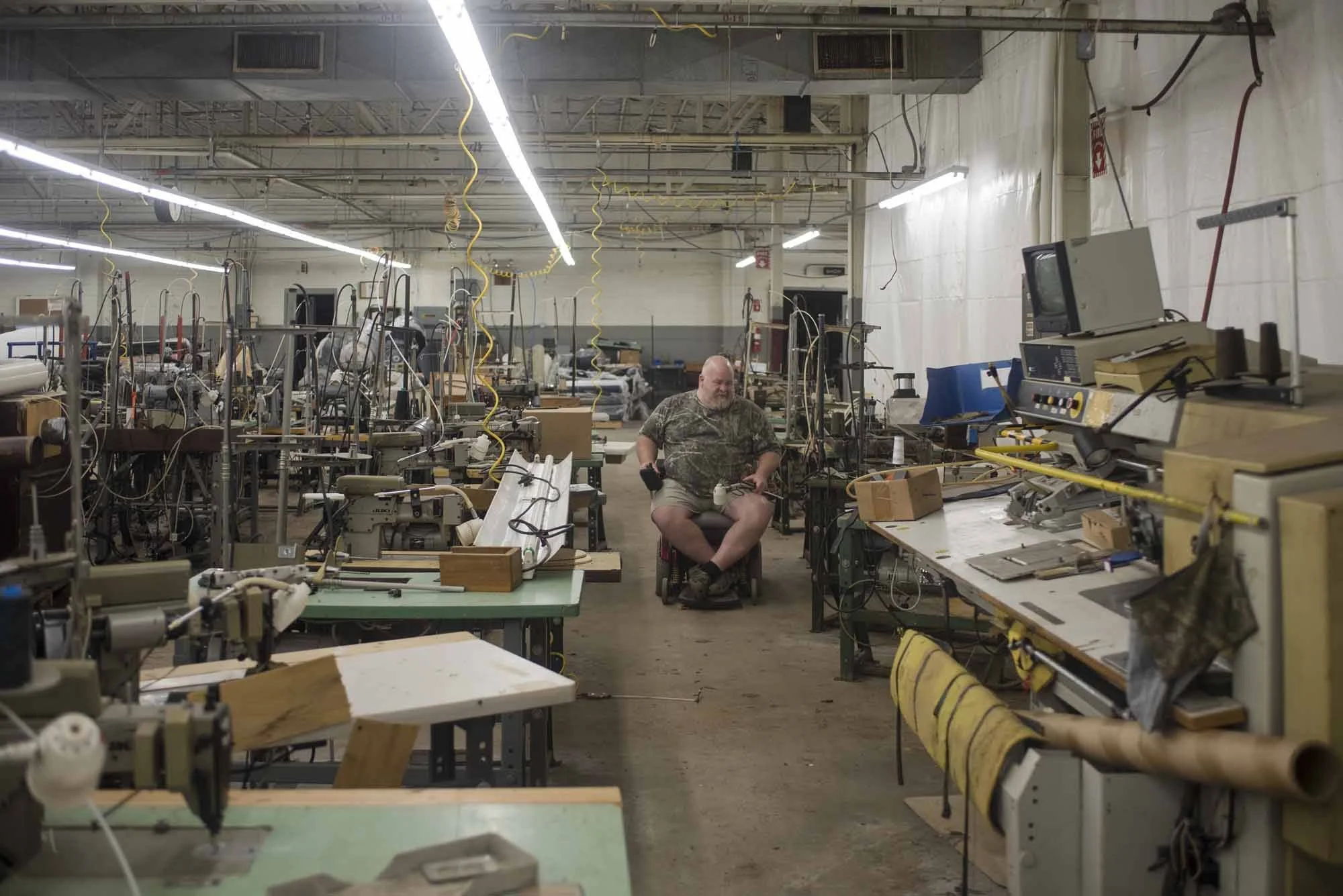
30 Years Ago: The Trade Agreement Sledgehammer
The 1990s didn’t just change American garment manufacturing; they gutted it. The signing of major free trade agreements like NAFTA in 1994, followed by the entry of China into the World Trade Organization (WTO) in 2001, rewrote the rules of retail overnight. Capital chased the lowest possible labor costs overseas, completely detached from the human cost left behind at home.
Between 1990 and 2012, the U.S. textile and apparel industry alone lost roughly 750,000 jobs. Nationwide, across all sectors, millions of manufacturing jobs vanished as local mills shuttered, turning vibrant industrial towns into quiet, hollowed-out communities.
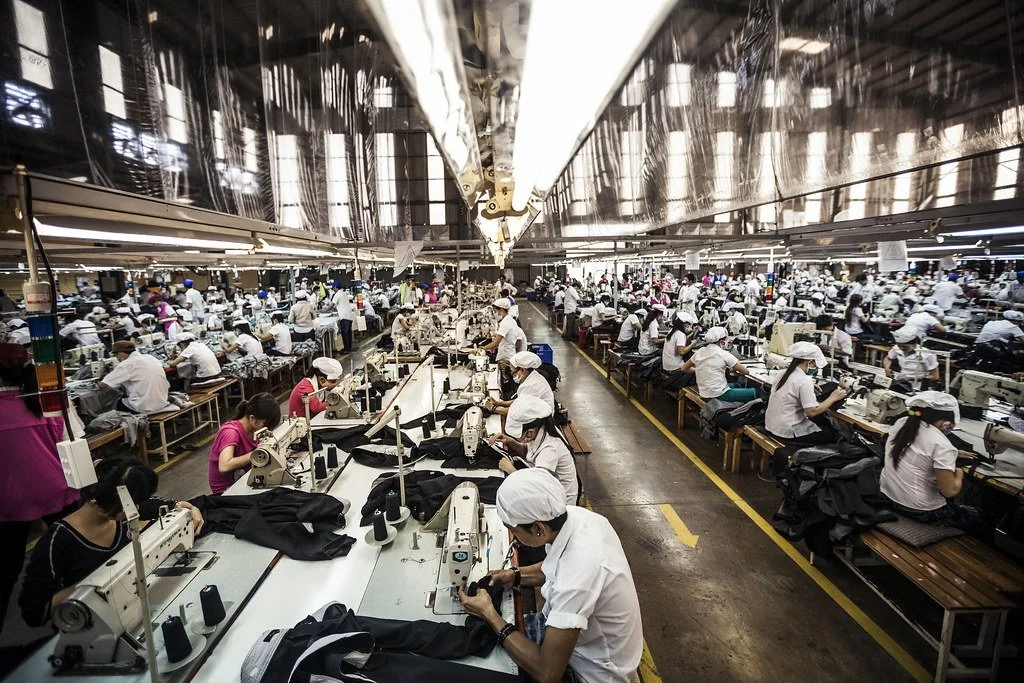
10 Years Ago: The Fast Fashion Illusion
By the mid-2010s, the internet had completely revolutionized retail, giving birth to the era of ultra-fast fashion. Driven by algorithms and massive offshore supply chains, global corporations began churning out disposable garments at an unprecedented volume.
Consumers were conditioned to expect a new shirt to cost less than a sandwich and arrive at their doorstep in 24 hours. The true cost of fast fashion, unfair wages, unsafe working conditions, and devastating environmental pollution, was hidden thousands of miles away, completely obscured by the thrill of instant gratification.
This Is Not an Apples-to-Oranges Comparison
This brings us to the present day. The competitive landscape for anyone trying to operate a domestic clothing factory on American soil isn't just fierce; it is fundamentally asymmetrical.
Domestic factory owners are playing by an entirely different set of rules. They are navigating strict environmental regulations, paying fair local wages, adhering to rigorous safety standards, and refusing to cut corners. They are competing against a global system optimized solely for speed and disposability.
Let’s be incredibly clear about something: The independent brands and factories that are still here making clothing in America today are doing a damn good job. They are doing the heavy lifting to keep an industrial legacy alive.
It is easy to get frustrated when a domestic brand takes longer to ship, or when a garment costs more than what you see on a fast-fashion app. But comparing the two is a fundamental mistake.
We all know, deep down, that quality takes longer. True craftsmanship requires time, intention, and fair compensation for the hands that made it. You cannot demand immediate, frictionless gratification and a thriving domestic industrial base at the same time.
The Real Benefits of Buying American-Made
If we ever want to see a future where more factories are built on American soil, where trade skills are passed down to a new generation, and where our supply chains are resilient, we cannot wait for a hypothetical economic miracle. We have to start by fiercely supporting the factories that are already here doing the work.
Understanding the benefits of buying American made goes beyond patriotism, it's an economic and environmental necessity:
Economic Resilience: Keeping dollars within local communities to support fair-wage jobs.
Environmental Responsibility: Lowering global shipping emissions by shortening the supply chain.
Superior Quality: Buying fewer, better things that don't need to be replaced every few months.
Every time you choose to buy from a domestic manufacturer, you aren't just purchasing a piece of clothing. You are casting a vote. You are voting to keep a factory's lights on, to keep an American worker employed, and to preserve a legacy of quality that took over a century to build.
Running an American factory today is incredibly difficult. But keeping them alive is entirely up to us.