There is something happening in Bangladesh right now that I think deserves our attention, particularly if we care about clothing, craftsmanship, and the people who make the things we wear.
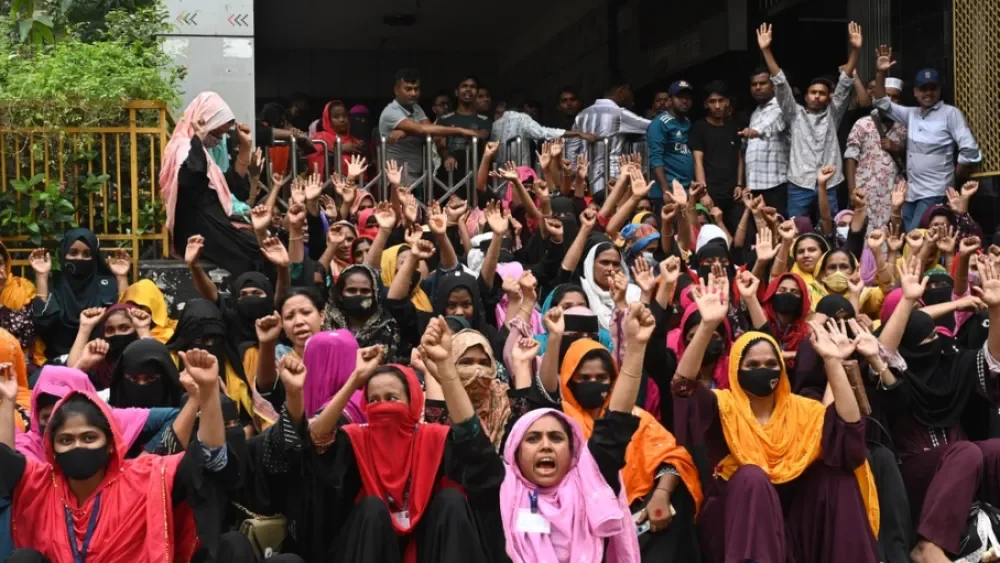
Across Bangladesh, thousands of garment workers have taken to the streets demanding higher wages. Some protests have turned violent, factories have temporarily closed, and workers have clashed with police. But beneath the headlines is a fairly straightforward request: people want to earn enough money to live.
To understand how we got here, we have to look at the clothing industry we have built over the last several decades.
How did we get here?
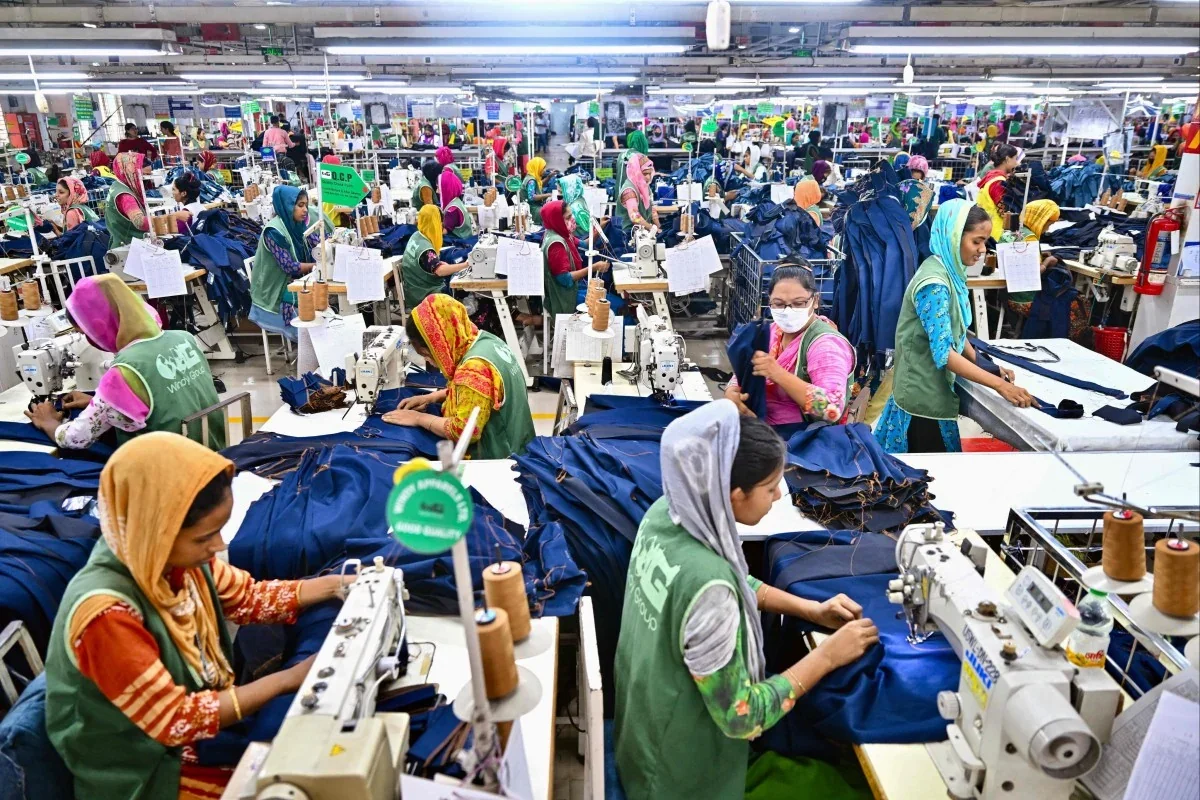
Over the last 40 years, the global clothing industry has undergone a massive transformation. Manufacturing gradually moved away from countries like the United States and toward countries where labor was significantly less expensive. Bangladesh became one of the world's largest garment-producing nations, building an industry that now employs approximately four million people and supplies clothing to some of the biggest retailers and fashion brands in the world.
The formula was simple: produce more, produce faster, and produce cheaper.
And as consumers, we embraced it. We became accustomed to inexpensive clothing, endless options, new collections every few weeks, and the ability to purchase an entire outfit for less than the cost of a nice dinner.
But there is a question we don't often ask: What has to happen behind the scenes for a shirt to cost $12?
In Bangladesh, garment workers are currently demanding that the minimum monthly wage increase from 12,500 taka (approximately $100) to 30,000 taka (approximately $240). Their argument is that the cost of food, housing, transportation, and basic necessities has risen dramatically, while their wages have failed to keep pace.
Think about that for a moment.
Here in America, we regularly have conversations about the rising cost of groceries, rent, healthcare, and the general difficulty of making ends meet. Its what swayed the recent elections for crying out loud! We understand what inflation feels like. We understand the frustration of working hard and watching our paychecks disappear before the end of the month.
Now imagine navigating those same conversations on $100 a month.
These aren't abstract numbers. These are people trying to feed their children, pay rent, get to work, and afford an education. They are making the same difficult decisions that families everywhere are making, only with considerably fewer resources.
Distance makes it easier.
I think one of the more uncomfortable realities of modern consumerism is that we've become very good at separating ourselves from the consequences of our purchases.
We like that our clothes are made in faraway places. Not necessarily because we have anything against those countries, but because distance makes the process easier to ignore. We don't see the factory floor, we don't meet the person operating the sewing machine, and we don't have to think about what their working conditions or paycheck look like.
We see a finished product, a price tag, and an opportunity to buy something new.
It's much easier to justify a $15 shirt when the person who made it is thousands of miles away, living a life we never have to witness. We can enjoy the convenience without having to confront the human cost of producing it.
And I don't think that makes us bad people. I think it makes us participants in a system that has trained us to value the price of something more than the people responsible for making it.
But we should be willing to question that system.
The people behind the price tag.
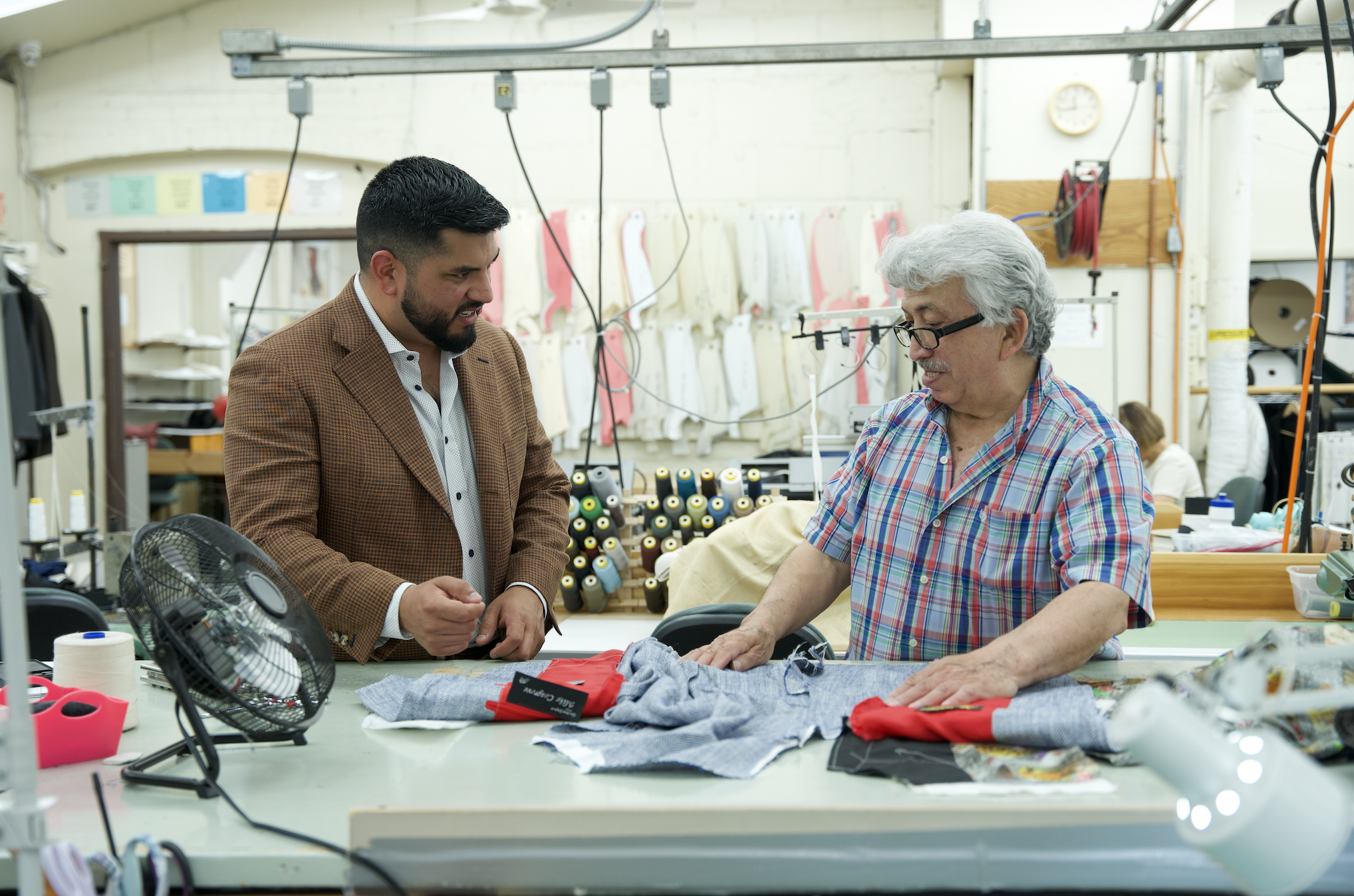
At Bards, we spend a considerable amount of time thinking about the people who make our clothing. We visit our factories, build relationships with the owners, meet the pattern makers, speak with the seamstresses, and see firsthand the work that goes into producing a garment.
There is something fundamentally different about being able to shake the hand of the person who made your clothing.
You learn their name. You hear about their family. You understand their craft, their experience, and the value of their work. They stop being an invisible part of a supply chain and become what they have always been: another human being contributing their skill and labor to something we get to enjoy.
That is one of the reasons we choose to manufacture in America.
Now, I want to be clear about something. Making clothing in America does not automatically make us more virtuous. A garment isn't inherently ethical simply because it has a Made in USA label sewn into it. American factories still have responsibilities to their employees, and domestic manufacturing still requires accountability.
But manufacturing closer to home gives us an opportunity to build relationships, ask questions, visit the facilities, and understand where our money is going. We can see the people behind the product and have a much more direct conversation about how they are treated and compensated.
For us, that's important.
We have to decide what kind of industry we want.
I don't believe the answer is that everyone needs to stop buying clothing made overseas. The global garment industry employs millions of people, and those jobs support families, communities, and entire economies. Those workers deserve opportunities, dignity, and fair compensation.
The answer isn't to take away their work. It's to make sure that the work allows them to live.
That responsibility doesn't fall on consumers alone. It belongs to the brands placing orders, the manufacturers producing garments, the retailers setting prices, and the governments responsible for protecting workers. When brands demand impossibly low prices and increasingly short production timelines, those pressures don't simply disappear. Someone, somewhere, absorbs the cost.
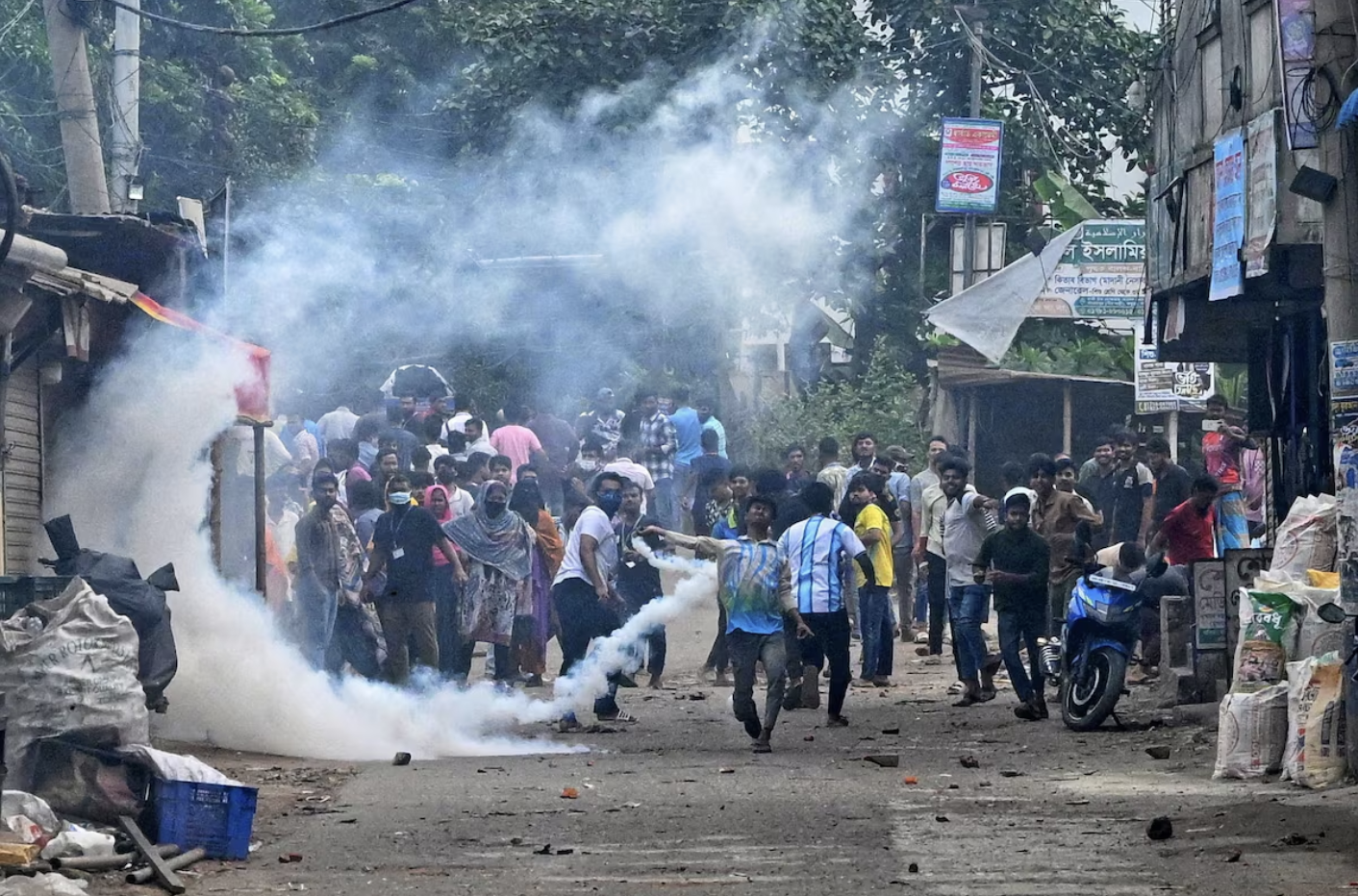
Source: Reuters.com
Usually, it's the person with the least negotiating power.
We cannot continue demanding more clothing, at lower prices, with faster turnaround times, and pretend there isn't a consequence.
Maybe it's time we reconsider what we're actually paying for when we purchase something. Not just the fabric, the buttons, or the finished garment, but the time, skill, and human labor that brought it into existence.
At Bards, we believe clothing should be built with intention, made to last, and valued for the people and processes behind it. We aren't interested in making more things simply for the sake of making more things.
We believe in buying less, buying better, and understanding the story behind what we wear.
Because at the end of the day, the people sewing our clothes aren't so different from the people wearing them. They want to provide for their families, enjoy a comfortable life, and feel that the work they do has value.
The hands that make our clothing deserve to live as well as the people who wear it.
And perhaps that's a good place to start.
— Bards Clothing
Wear your story. Know theirs, too.