The Hidden Architecture Of Clothing: Why Pattern Making Defines Fit, Quality, And Value
There is a quiet architecture beneath every great garment. It does not announce itself with a flashy lapel or a perfectly placed buttonhole, yet it dictates both. It is the invisible language that translates fabric into form, and it begins with pattern making.
At its core, pattern drafting is equal parts mathematics, sculpture, and storytelling. A pattern is not simply a template, it is a hypothesis about the human body. It takes measurements, posture, movement, and intention, and converts them into two-dimensional shapes that, when brought together, create a three-dimensional reality. The sleeve must rotate just so. The shoulder must anticipate how you stand, not just how you measure. A well-drafted pattern does not sit on the body, it moves with it, like a thought that has learned to walk.
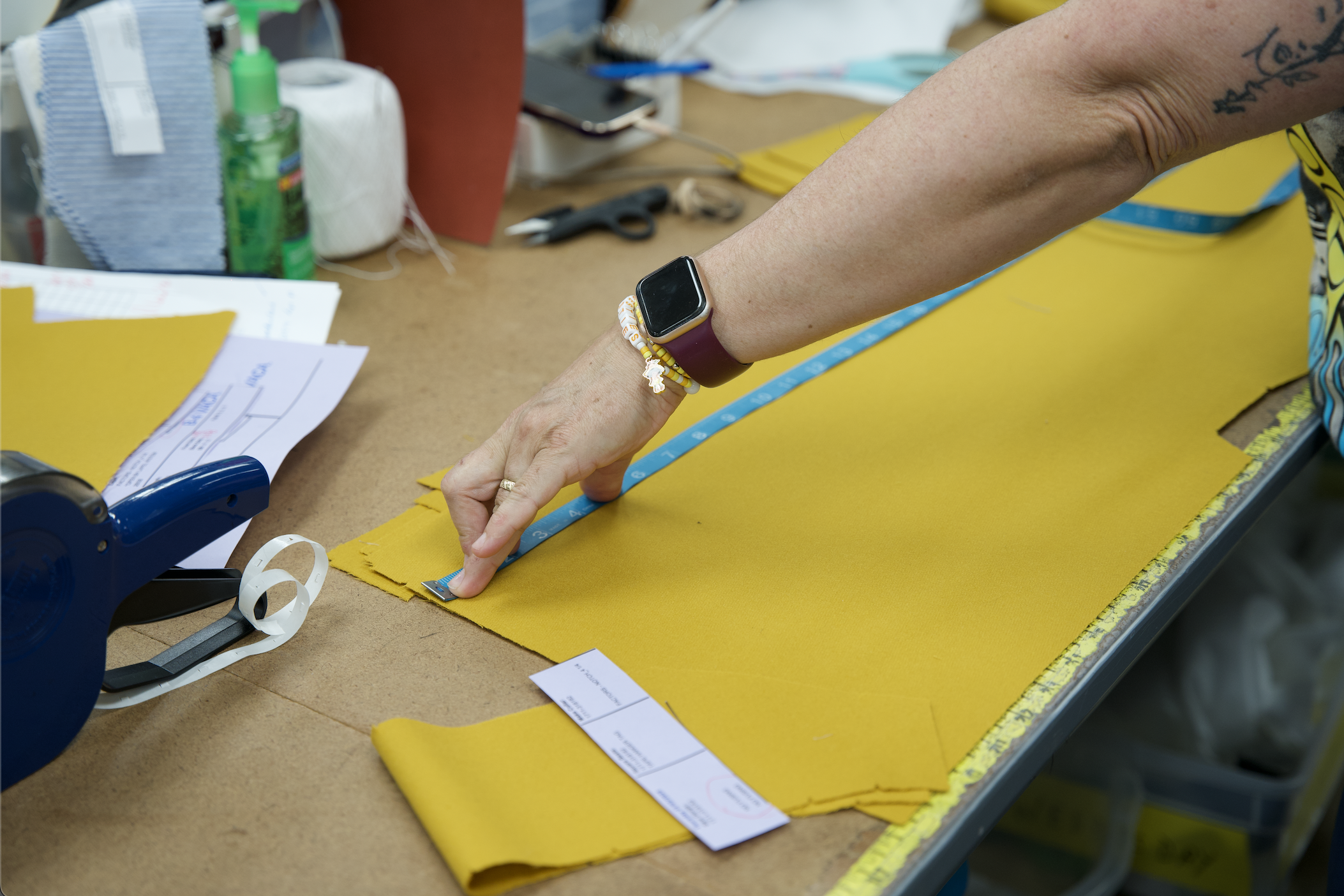
And then comes the true art: adjustment. Because no two bodies are alike, and no life is lived standing perfectly still. Pattern adjusting is where craftsmanship separates itself from convenience. It is the ability to look at a muslin fitting and see not what is, but what could be. A slight forward pitch of the shoulder. A subtle hollow in the back. A balance correction that turns a garment from “good enough” into “i didn’t know clothing could feel like this.” This is not guesswork. It is earned knowledge, built over years of studying bodies, fabrics, and the dialogue between them.
This is also where price enters the conversation, and rightfully so. Because what you are paying for is not just fabric and labor, but the accumulation of expertise. A thoughtfully drafted and adjusted pattern takes time, iteration, and a deep understanding of construction. It requires fittings, revisions, and a willingness to refine. In a world that prioritizes speed, this kind of precision is expensive because it is rare, and because it works.
When brands do not have a true understanding of pattern making, the results are easy to spot once you know where to look. You see jackets that collapse at the chest because the pattern was never built for structure. You see collars that gap away from the neck, sleeves that twist unnaturally, and trousers that pull across the thigh because the balance is off. Many mass-produced garments rely on a single base pattern that is simply graded up and down in size, assuming that a larger body is just a scaled version of a smaller one. It is not. The human body does not grow proportionally, and treating it as such leads to garments that almost fit, but never quite do.
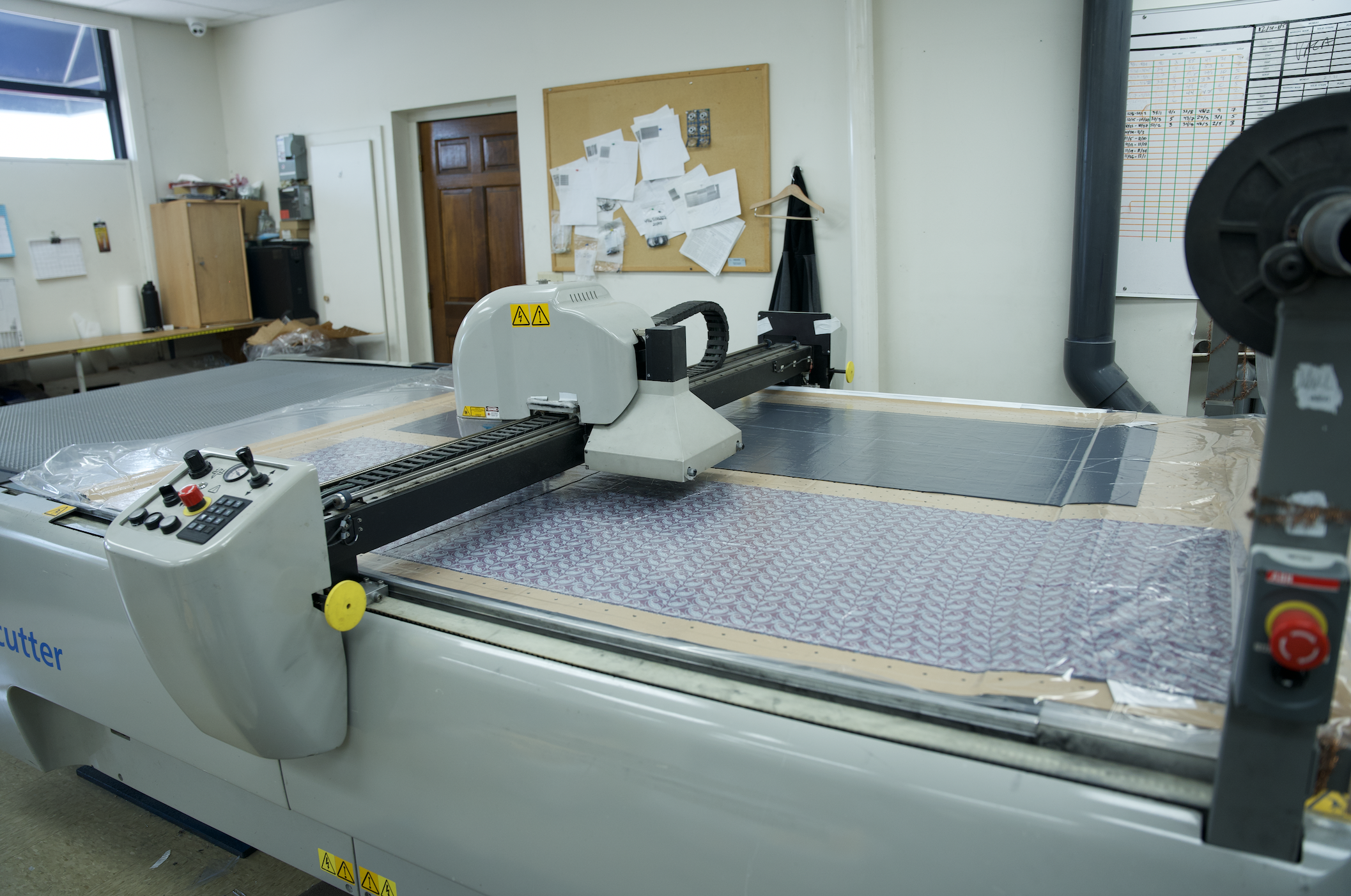
Our Cut & Design System, this allows us to cut the fabric with incredible speed and precision while maintaining quality
You will also see brands cut corners by skipping meaningful fittings altogether, relying instead on stretch fabrics to mask poor pattern work. The fabric does the job the pattern should have done, compensating rather than complementing. It is a clever illusion, but an illusion nonetheless.
Pattern making also plays a critical role in how fabric designs align. When working with stripes, plaids, or checks, a skilled pattern maker does not simply cut pieces to shape, they orchestrate alignment. The lines flow seamlessly across the chest, meet cleanly at the sleeve, and continue without interruption. Without this level of planning, patterns break abruptly at seams, creating a visual dissonance that signals haste rather than intention. Achieving proper pattern matching requires precision and, quite frankly, more fabric. It is a detail that many brands avoid because it increases cost, but it is also one of the clearest indicators of quality.
Fit, of course, is the most immediate reward of good pattern work. A garment that has been drafted and adjusted specifically for you does not fight your body, it honors it. It eliminates the quiet annoyances we have come to accept: the collar that never quite sits right, the sleeve that pulls when you move, the jacket that feels restrictive when it should feel effortless. Instead, it creates ease, confidence, and a sense that the garment understands you before you have to explain yourself.
To step into the world of pattern making is to realize that clothing is not just worn, it is engineered, interpreted, and refined. Every curve, every angle, every adjustment is a decision. And when those decisions are made with care, the result is not just a better garment, but a better experience of wearing it.
Because at the end of the day, the pattern is the beginning of the story. And if the beginning is thoughtful, intentional, and precise, everything that follows has no choice but to be the same.