A Field Guide to Winter Fabrics: Wool Isn’t the Whole Story
As the temperatures drop, we start reaching for our winter favorites: wool socks, flannel shirts, heavy coats, and cozy sweaters. But here's a question worth asking: how much of what we call wool is actually wool?
We've developed a habit of associating anything thick, fuzzy, and warm with wool. And while wool certainly deserves its reputation, it's not the only textile keeping us comfortable when the temperatures drop. To understand why, we need to start with a little textile science. Don't worry, there won't be a quiz. Probably.
First, the difference between fiber and fabric
Let's establish some vocabulary. Fiber is the raw material; fabric is what we make from it. Wool comes from sheep, cotton from plants, and polyester from oil (like what you put in your car). Those fibers are spun into yarn, which can then be woven, knitted, or otherwise constructed into fabric.
Think of fiber as the ingredients and fabric as the finished dish. The ingredients matter, but so does how you put them together. The same wool fiber can become a smooth, lightweight suit fabric or a thick, textured winter coat, depending on how it's processed and constructed.
A few winter fabrics worth knowing
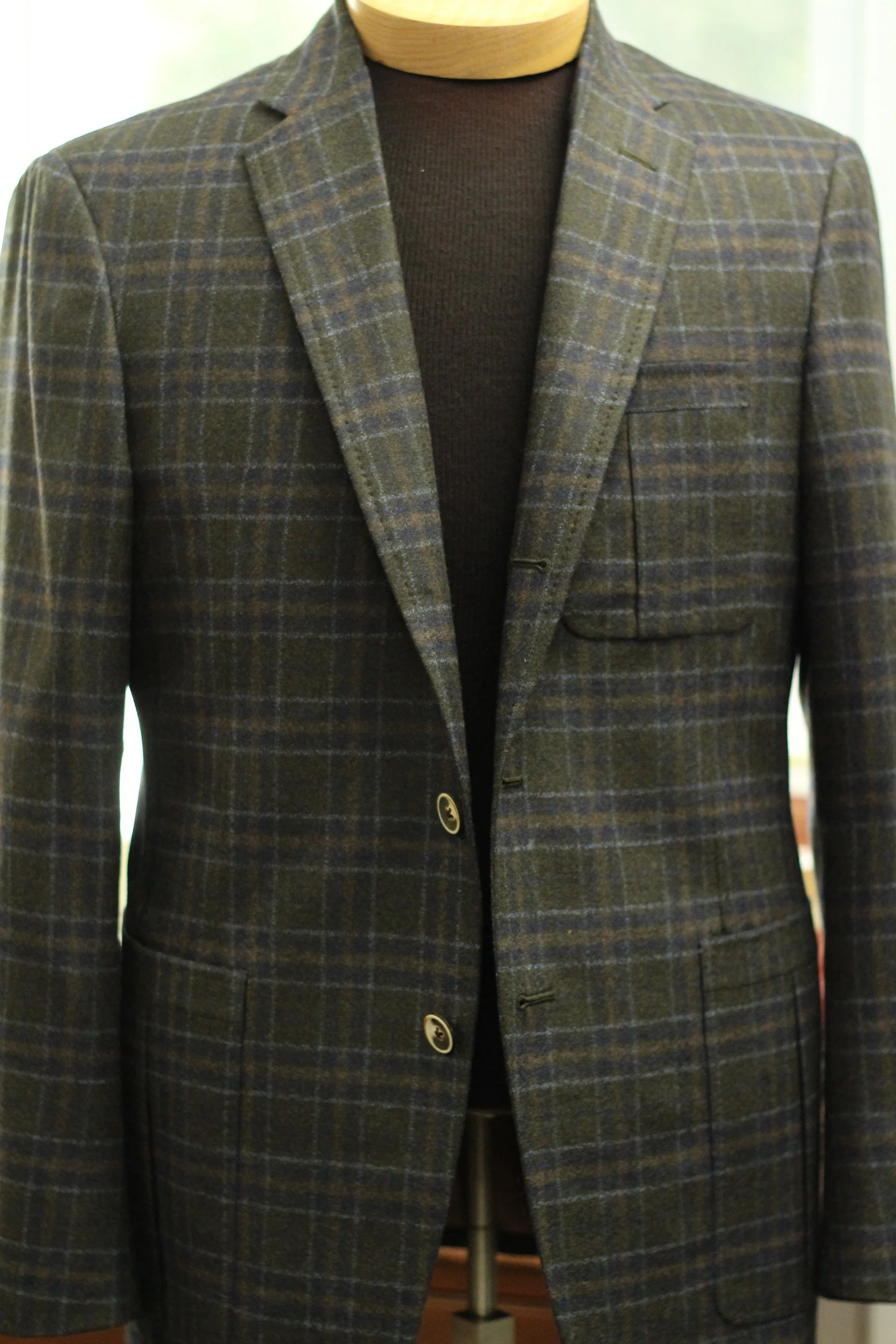



Wool is the classic winter staple for good reason. Its natural properties help regulate temperature and manage moisture, making it useful for everything from tailored suits and overcoats to sweaters and socks. But wool isn't one single type of fabric. Worsted wool tends to be smoother and more refined, while woolen fabrics are often loftier and more textured.
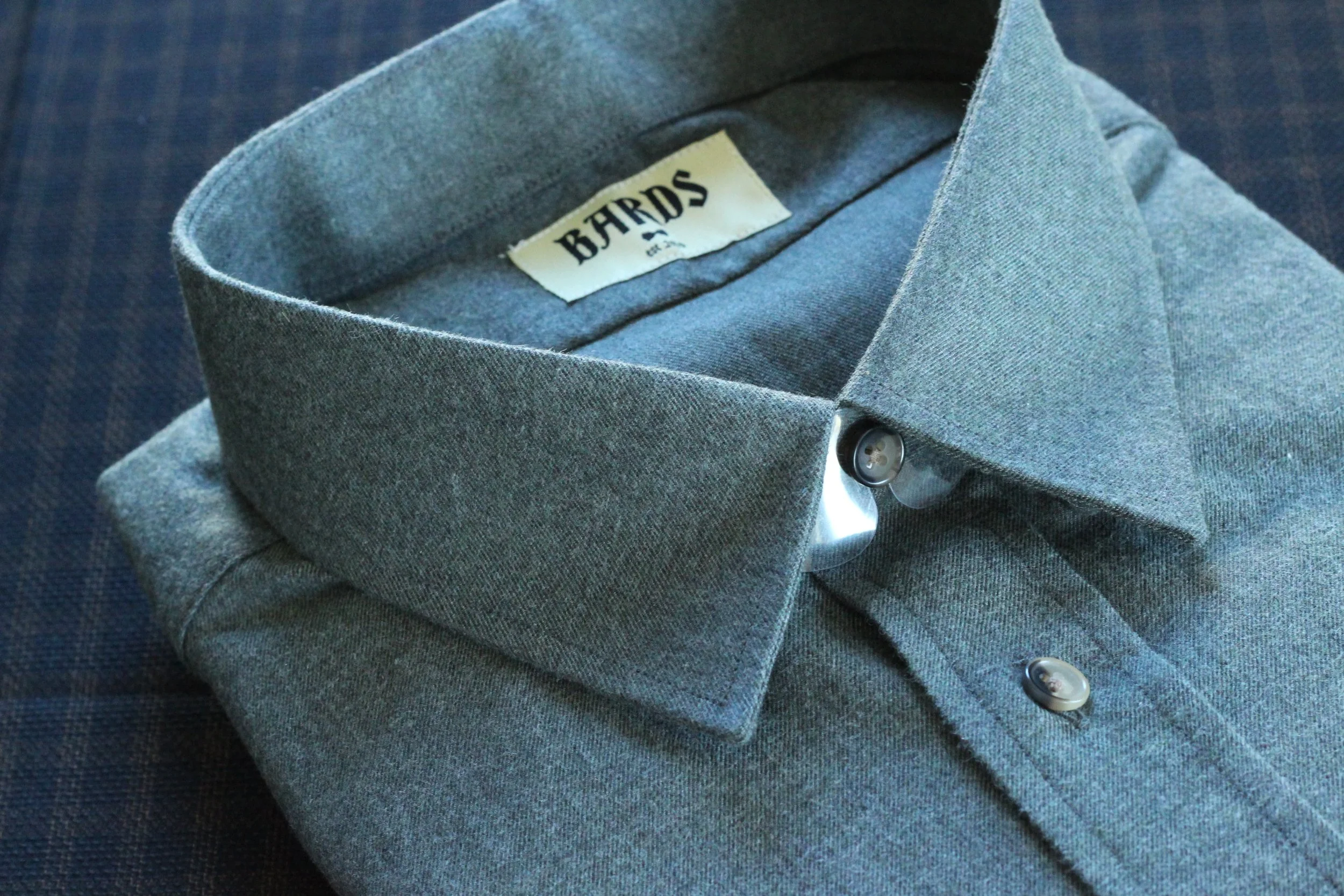
Flannel is a fabric, not a fiber. It can be made from wool, cotton, or blends, and is often brushed to create its familiar soft surface. Cotton flannel is popular for casual shirts, while wool flannel is a favorite for tailored trousers, suits, and sport coats. And no, a plaid pattern alone doesn't make something flannel. That's a conversation for another day.
Tweed is traditionally a textured wool fabric known for its durability and distinctive patterns. Think herringbone sport coats, country jackets, and garments with a little more visual character. It's an excellent example of how fabric can influence a garment's personality, not just its warmth.
Fleece is often made from polyester, not wool. Its soft, raised surface traps air to help provide insulation, making it popular for pullovers, jackets, and outdoor layers. So, yes, something can be fuzzy, cozy, and warm without ever having come from a sheep.
Corduroy and moleskin are commonly cotton fabrics that earn their place in a winter wardrobe through their construction and texture. Corduroy has distinctive raised ridges, while moleskin has a dense, soft, brushed surface. Both work beautifully for trousers and casual jackets.
Why does everything warm get called wool?
Wool has been associated with cold-weather clothing for generations, so it's easy to see how the terminology stuck. But thickness alone doesn't tell you what a fabric is made from, or even how warm it will be.
Fiber content, fabric construction, weight, and the garment's design all play a role. A heavy cotton fabric may feel substantial, while a lighter wool fabric can provide impressive warmth without adding bulk. The right choice depends on how you'll wear it, what you need it to do, and how it fits into your everyday life.
At Bards Clothing, we believe understanding your clothing is part of buying it well. Whether you're investing in a custom wool suit, choosing a flannel shirt, or finding the right fabric for a winter coat, knowing what's behind the material helps you make a more thoughtful decision.
Because the goal isn't simply to buy something thick, expensive, or warm. It's to choose something that works for you, your lifestyle, and the years ahead.
And the next time someone calls every fuzzy winter fabric wool, feel free to offer a little friendly textile education. Consider it your extra credit assignment.