Black Tie: What It Means, What to Wear, and Why It Still Matters
Where Did Black Tie Come From?
Black tie is one of those dress codes that seems intimidating until you actually understand it. At its core, black tie is simply a formal dress code with a fairly specific set of traditions, and those traditions exist for a reason. The origins of modern black tie are generally traced back to the late 19th century, when formal evening dress began to loosen from the much more elaborate white-tie standard. The dinner jacket became an alternative to the traditional tailcoat, offering men a more relaxed option for informal evening dinners and private gatherings. By the early 20th century, black tie had become firmly established as formal eveningwear, eventually evolving into the tuxedo we recognize today. The name itself comes from the black bow tie traditionally worn with the ensemble, although the dinner jacket can technically be made in other colors and fabrics.
What Does Black Tie Actually Mean?
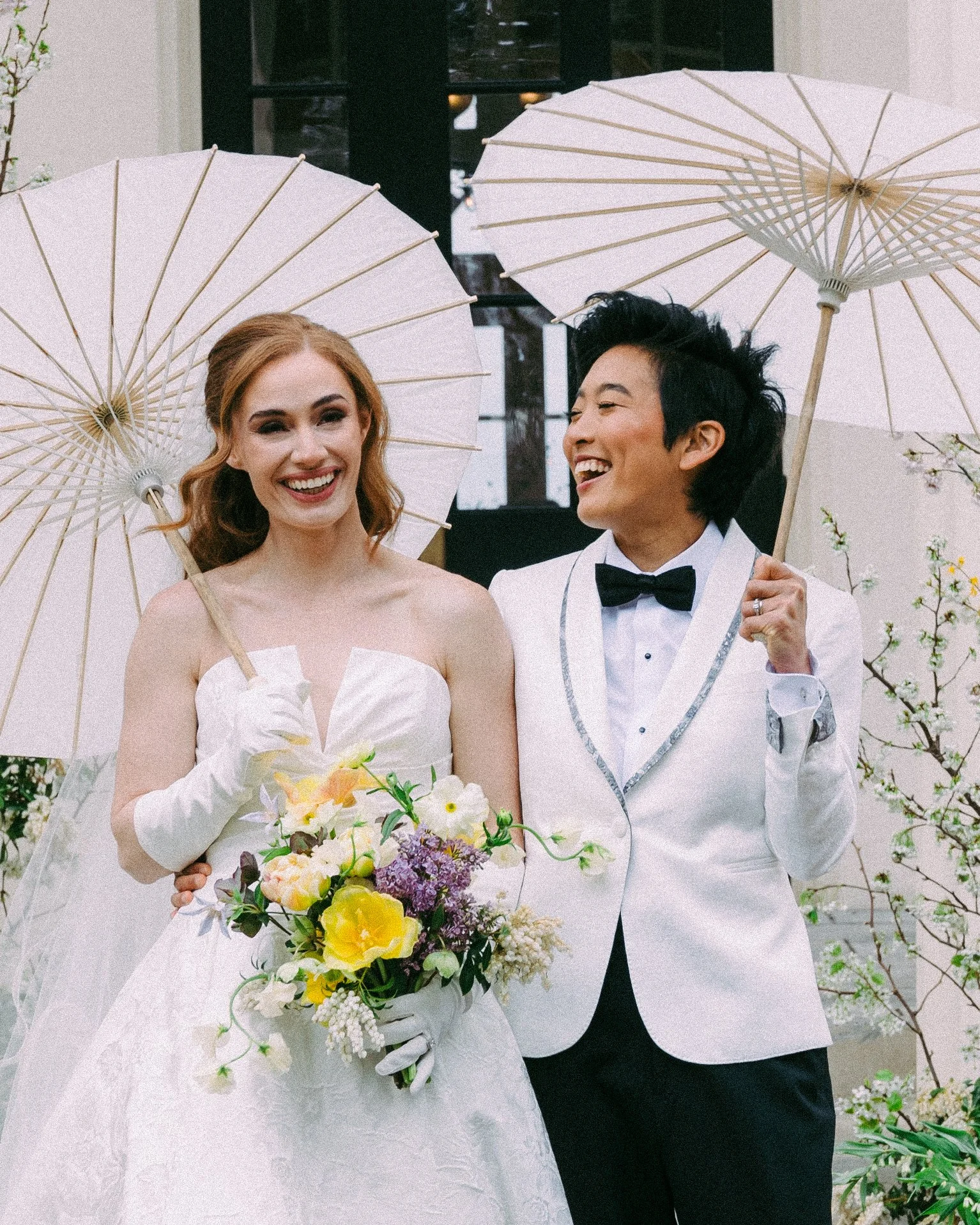
Dinner Jacket
So, what exactly does black tie mean? Traditionally, a black-tie outfit consists of a tuxedo or dinner jacket, a formal white dress shirt, a black bow tie, black formal shoes, and appropriate evening accessories. The tuxedo jacket traditionally features satin or grosgrain facings on the lapels, with matching trim on the trousers, and the shirt and accessories are intentionally simple. This is one of those situations where restraint is actually the point. Black tie isn't an invitation to see how many accessories you can fit onto your body; it is about creating a cohesive, formal silhouette. A proper tuxedo should look different from your everyday black suit, and simply putting a black necktie on a black suit does not technically transform it into black tie. There are variations, of course, including midnight blue tuxedos, shawl collars, peak lapels, cummerbunds, and different formal shirt styles, but the underlying principle remains the same: you're dressing for the occasion rather than simply dressing up the clothes you already own.
The Do's and Don'ts of Black Tie
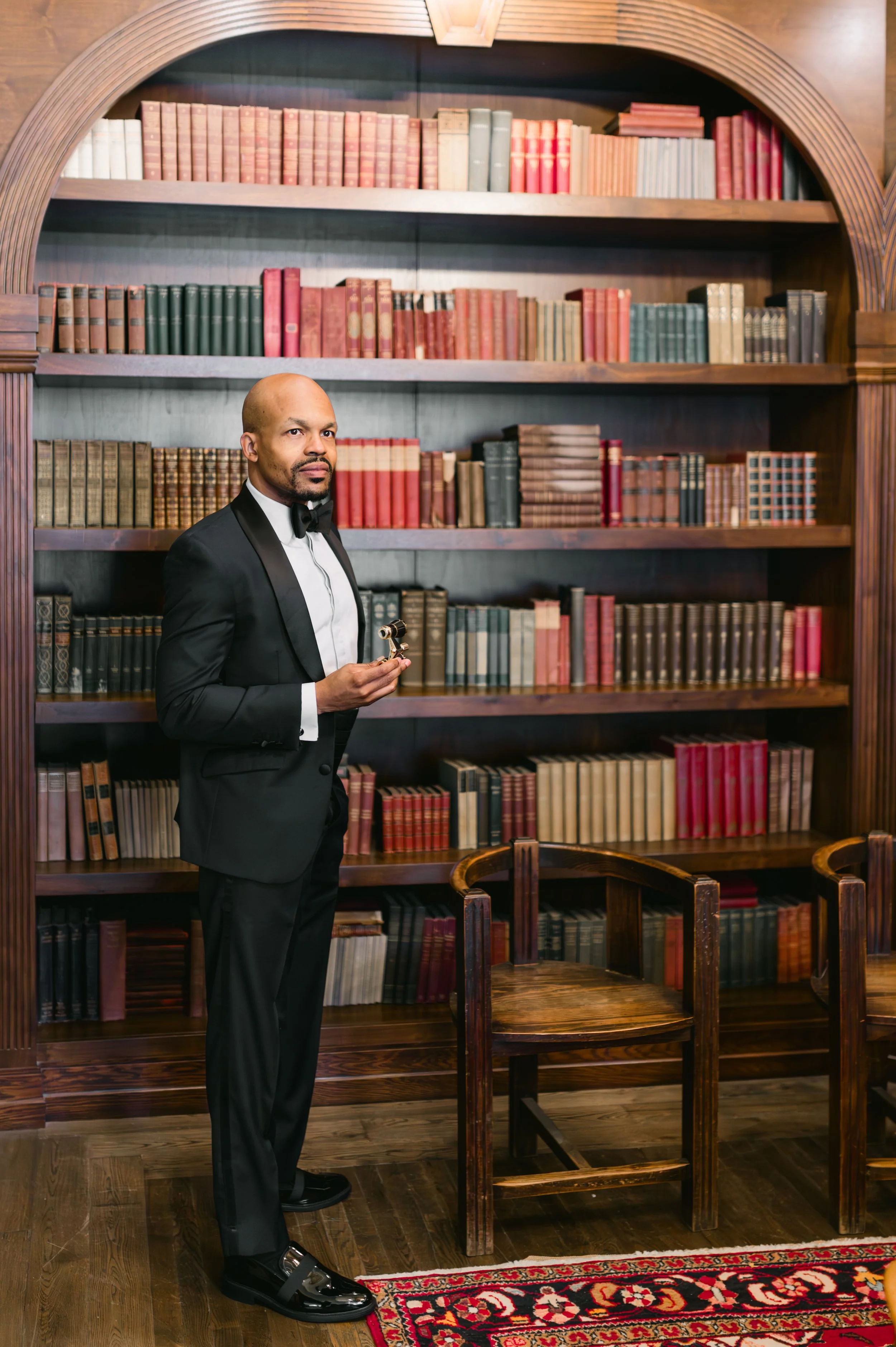
Rule: do not wear a dark suit, thinking that makes it okay.
There are also a few common black-tie mistakes worth avoiding. The biggest is probably treating "formal" as an invitation to improvise. A regular business suit, even a very nice one, isn't a tuxedo. A long necktie isn't a bow tie. Brown shoes don't suddenly become formal because they're polished. And while there are certainly modern interpretations of black tie, there is a difference between intentionally bending a tradition and simply not knowing the tradition exists. The same applies to accessories: a tuxedo doesn't need a loud pocket square, novelty socks, an oversized watch, or a collection of statement pieces competing for attention. If the invitation says black tie, the safest approach is to understand the traditional standard first and then decide how much you want to personalize it. Your personality can absolutely show up in your clothing; it just doesn't have to arrive five minutes before you do.
What Does Black Tie Optional Mean?
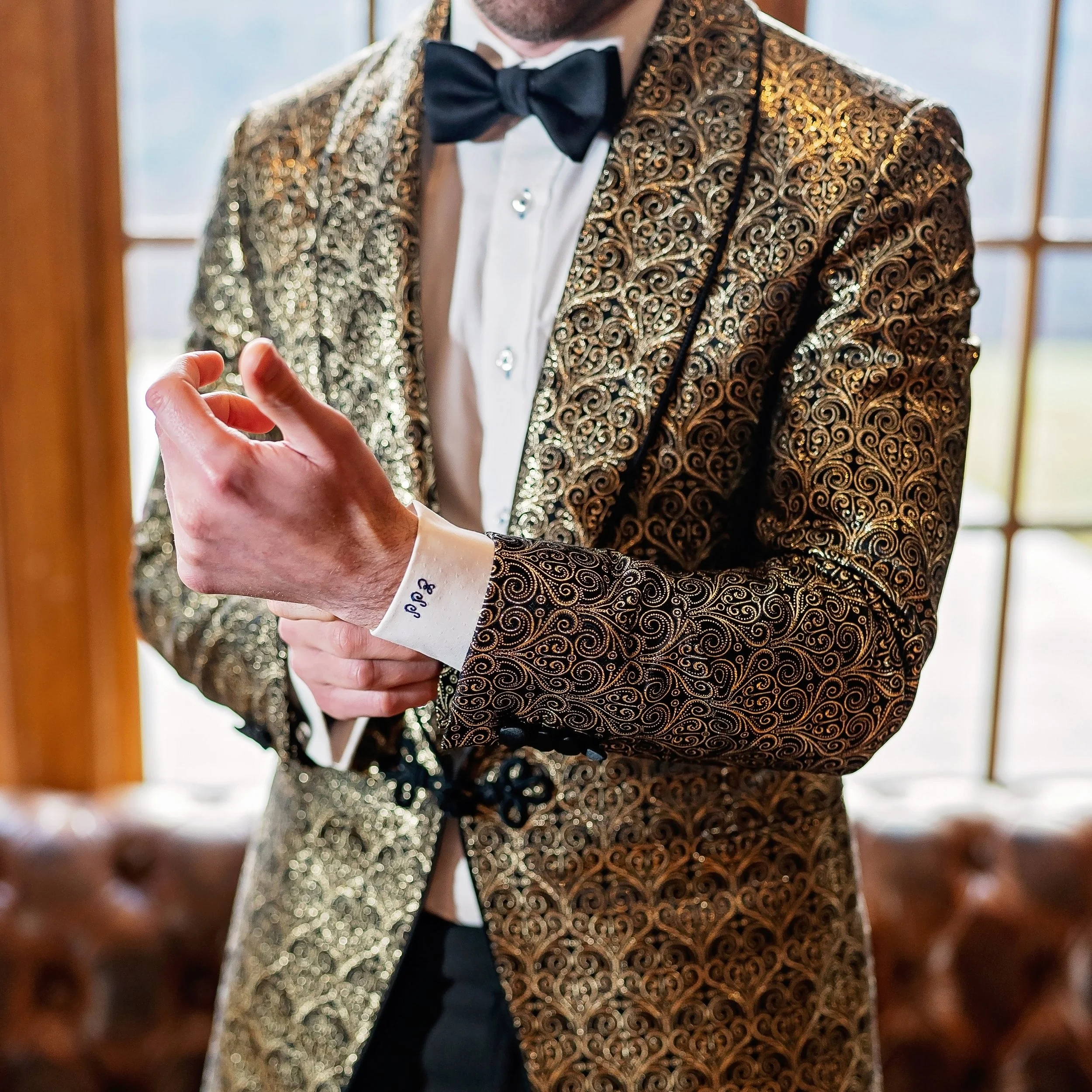
Black tie optional is where things get slightly more interesting. The phrase doesn't mean "wear whatever you want." It generally means that the host is giving guests some flexibility, typically allowing either a tuxedo or another very formal dark suit. If you own a tuxedo, this is an excellent opportunity to wear it. If you don't, a dark navy or charcoal suit, formal white shirt, conservative tie, and appropriately formal shoes can generally meet the spirit of the dress code. The important thing is to read the invitation carefully and consider the nature of the event. A wedding at a grand venue, a formal charity gala, an awards dinner, and a holiday party may all use the same words while creating slightly different expectations. When in doubt, it is usually better to ask the host than to spend the evening wondering whether you have technically complied with the dress code. And if you find yourself thinking, "What can I get away with?" that's probably a pretty good sign that you've already missed the point.
Invest in the Occasion
Because ultimately, black tie isn't really about rules for the sake of rules. It's about participating in the occasion. There is something wonderful about knowing that you have a particular outfit waiting in your closet for the moments when the invitation calls for it. You don't have to reinvent the wheel every time a formal event comes along, and you don't have to spend the afternoon trying to figure out how to make your business suit look like a tuxedo. Think about how many black tie or black tie optional events you've been invited to. Investing in one outfit that can be worn for years to come, you'll be more apt to dress appropriately rather than thinking, "What can I get away with?" A well-made tuxedo isn't disposable clothing; it can become the uniform for some of the most memorable evenings of your life, and there's something pretty special about having the right clothes ready when the occasion calls for them.