Carnet: The Fabric House Behind The Garments You Remember
If you’ve ever put on a jacket and thought, This just feels different, what you were responding to likely wasn’t the brand label or even the tailoring, it was the fabric itself, and behind that fabric may have been Carnet.
What Is A Fabric House?
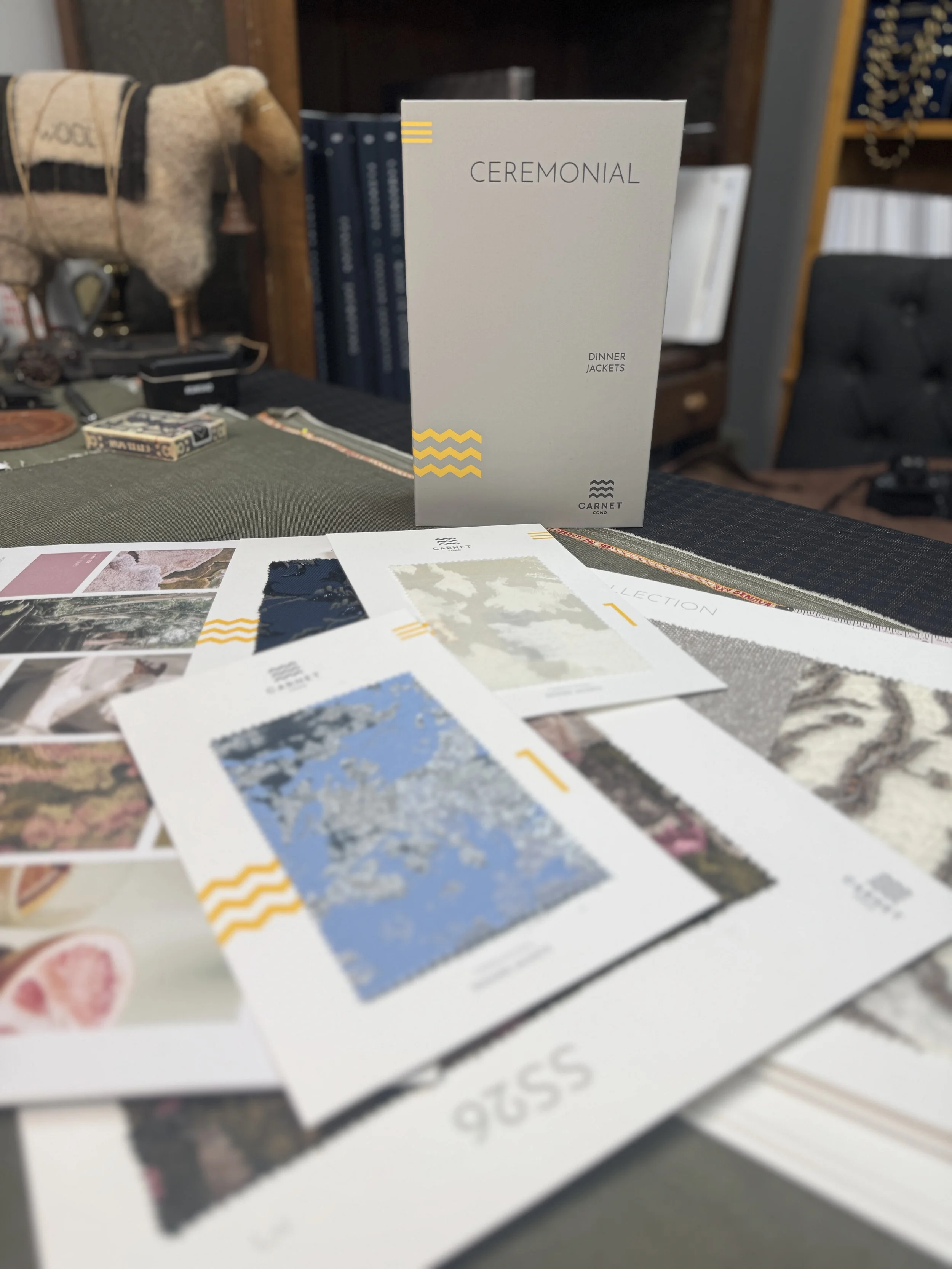
Carnet isn’t a clothing brand; it’s a fabric house, meaning they design and develop the cloth long before it becomes a suit, dress, or custom garment, quietly shaping the entire experience of wearing it.
Founded in Italy in the mid-20th century, Carnet emerged from a region renowned for centuries of textile craftsmanship, where weaving wool and finishing fine cloth has long been treated as both precision engineering and refined art.
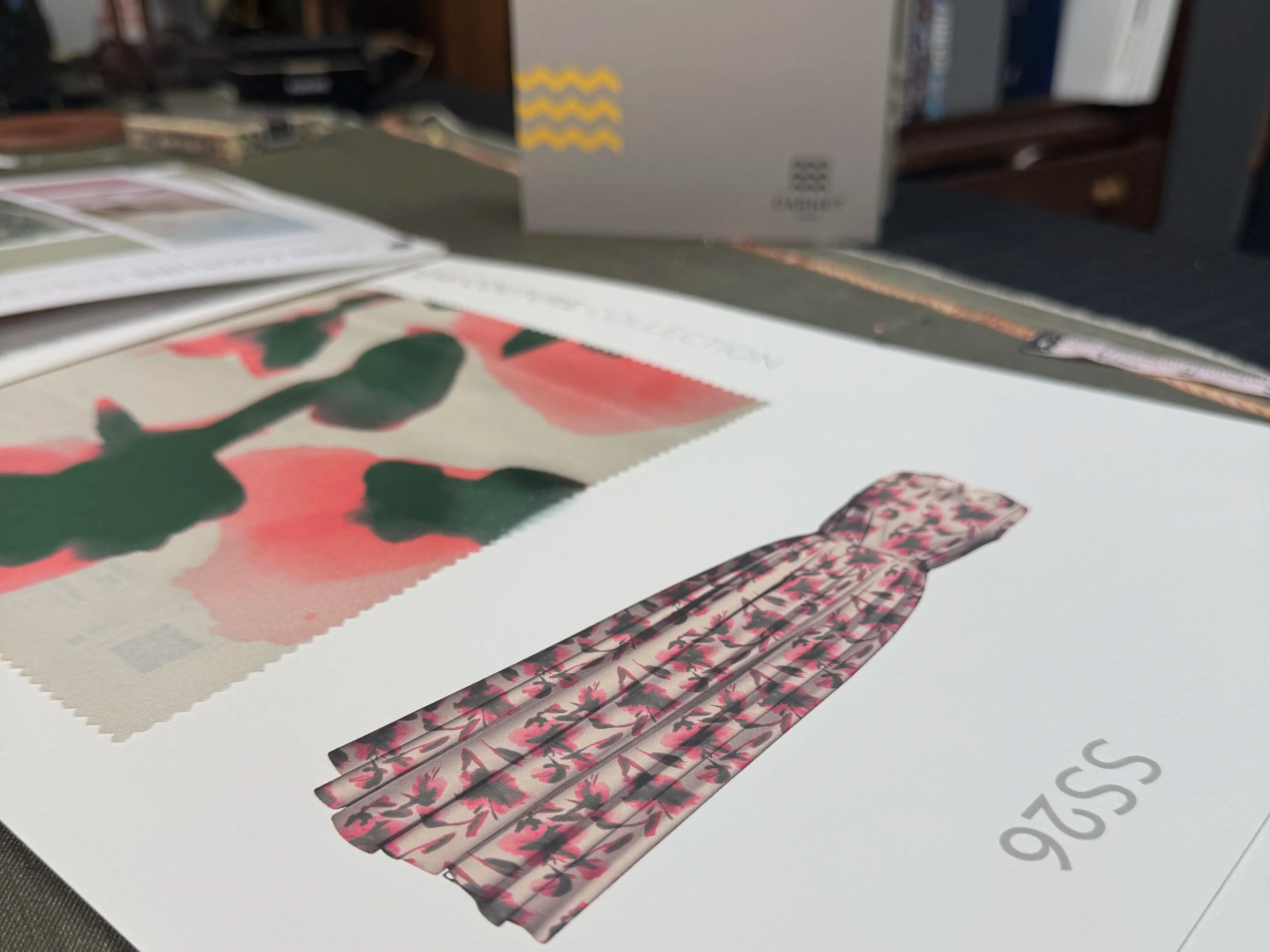
Think of Carnet as a curator of textiles rather than a mass producer, releasing seasonal collections of wool, cashmere, silk blends, linen, and performance fabrics that are engineered not only to look beautiful in a showroom, but to perform beautifully in real life.
What Makes Carnet Different?
1. Obsession With Raw Materials
Carnet begins with high-grade natural fibers and carefully refines how they are spun, twisted, woven, and finished, because those details determine whether a jacket has depth and life or feels flat and disposable.
It isn’t simply “wool.” It’s the construction of that wool, the tension, the weave, the finishing, that decides how it drapes across your shoulders and how it holds its shape over time.
2. Limited, Intentional Collections
Rather than flooding the market, Carnet often produces limited runs of its fabrics, which keeps their collections distinctive and ensures that garments made from their cloth feel personal rather than mass replicated.
In a world built on overproduction, that restraint matters.
3. Performance Built Into Elegance
Carnet engineers beauty with function, developing fabrics designed for breathability, resilience, wrinkle resistance, and clean drape, qualities you may not have technical language for, but absolutely notice the moment you wear them.
Why This Matters (Even If You’re Not A Fashion Person)
You don’t need to understand textile terminology to appreciate great fabric.
You simply know when something feels substantial, when it moves naturally with you instead of fighting against you, and when it ages gracefully rather than breaking down after a season.
High-quality cloth changes how a garment behaves, and in turn, how you feel inside it.
The Thread-Level Difference
In a world dominated by disposable clothing, fabric houses like Carnet remind us that garments begin long before the final stitch, starting instead with fiber selection, weave structure, and thoughtful engineering.
When that foundation is right, you don’t just wear the garment.
You feel it.