Flannel: More Than Just a Plaid Shirt
There are few fabrics with quite as complicated a reputation as flannel. Mention the word and you might immediately picture a red-and-black plaid shirt, a lumberjack, a New England weekend, or possibly someone who has very strong opinions about coffee and owns at least one pair of boots they refuse to replace. But before we get into the history of flannel or why it works so beautifully in custom clothing, there is an important distinction to make: cotton is a fiber, wool is a fiber, and flannel is a fabric. A fiber is the basic raw material that is spun into yarn or thread; fibers can come from natural sources, such as cotton plants and sheep's wool, or from manufactured materials such as polyester. A fabric is the finished textile created by turning those fibers into yarn and then constructing that yarn into cloth through processes such as weaving or knitting, often followed by additional finishing techniques. Think of the fiber as the ingredient and the fabric as what you make with that ingredient. Cotton and wool are the building blocks; flannel is one of the many things you can create from them.
A Brief History of Flannel
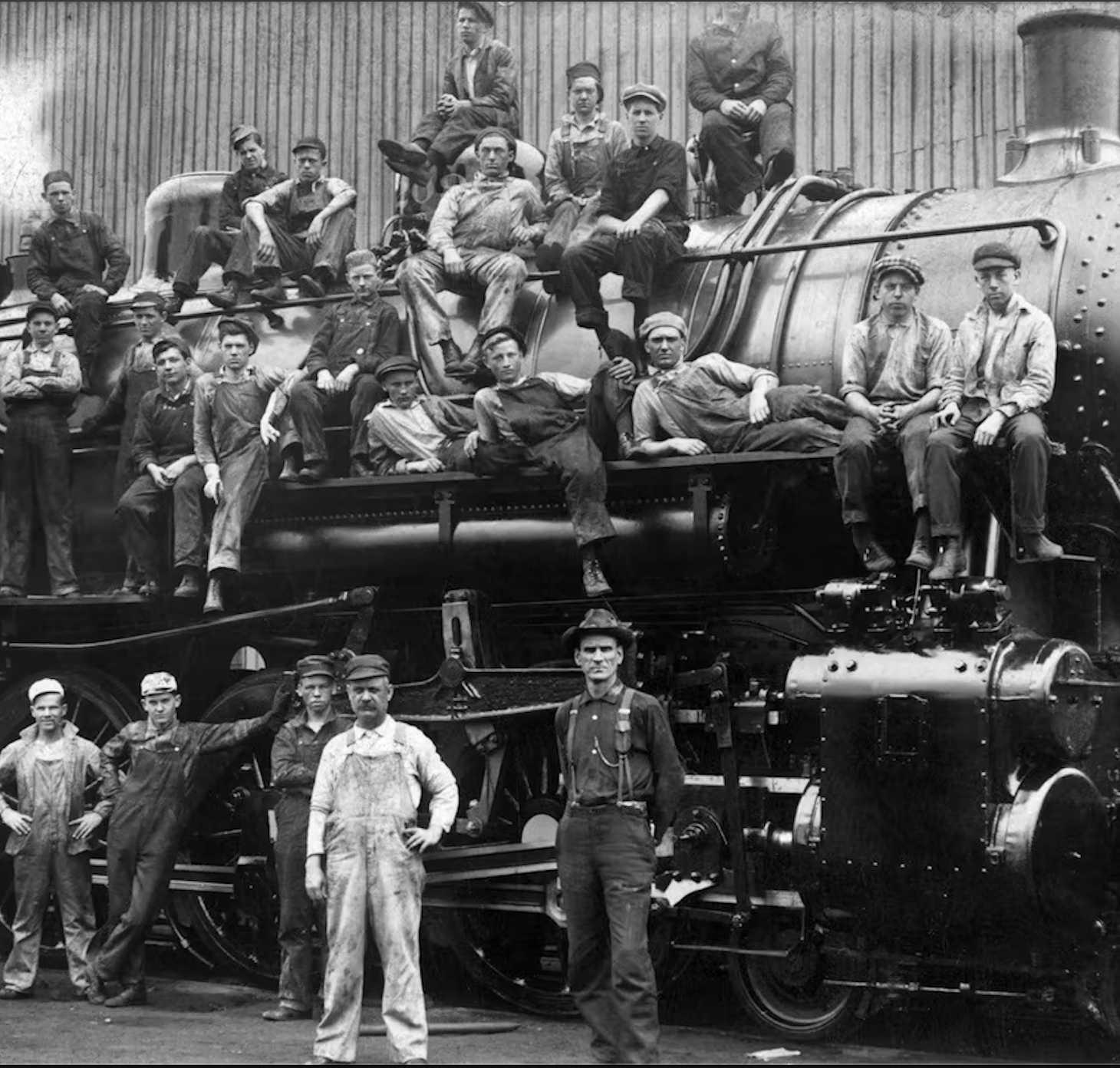
Flannel's history goes back centuries and is closely associated with Wales, where woolen fabrics with a soft, napped surface were developed for a climate that was, shall we say, not particularly interested in making people comfortable. Wool was readily available, and the resulting fabrics were warm, durable, and practical for people who worked outdoors. As flannel spread throughout Britain, Europe, and eventually America, it developed an especially strong connection with workwear. Farmers, laborers, loggers, and soldiers all found uses for the fabric because it offered warmth and durability without requiring much fuss.
That practical history is a big part of why flannel has such an interesting place in American clothing. It eventually became associated with outdoor life, workwear, and military clothing before taking on entirely different identities through fashion and popular culture. By the 1990s, the plaid flannel shirt had become closely associated with grunge, which probably didn't do much to convince people that flannel belonged in a tailored wardrobe. But that reputation only tells part of the story. Flannel has a long history in classic tailoring as well, particularly in the form of wool flannel trousers, jackets, and suits.
So, What Actually Makes Something Flannel?
Flannel isn't simply thick cotton, and it isn't defined by a particular pattern. The fabric is typically woven first and then finished by brushing or napping the surface, which raises tiny fibers and creates the soft, slightly fuzzy texture we associate with flannel. Some flannels are brushed on one side, while others are brushed on both, and the amount of brushing can dramatically change the weight, softness, and appearance of the finished cloth. A lightly brushed flannel can feel refined and relatively smooth, while a heavily brushed flannel can be exceptionally soft and warm.
This is also where another common misconception comes in: not all flannel is plaid, and not all plaid is flannel. Plaid is a pattern; flannel is a fabric. The two have simply spent so much time together that we've started treating them as the same thing. Flannel can be solid, striped, windowpaned, patterned, or completely understated. Once you separate the word "flannel" from the red-and-black shirt hanging in the back of your closet, you start to see just how versatile it can be.
Flannel and Wool: Similar, But Not the Same
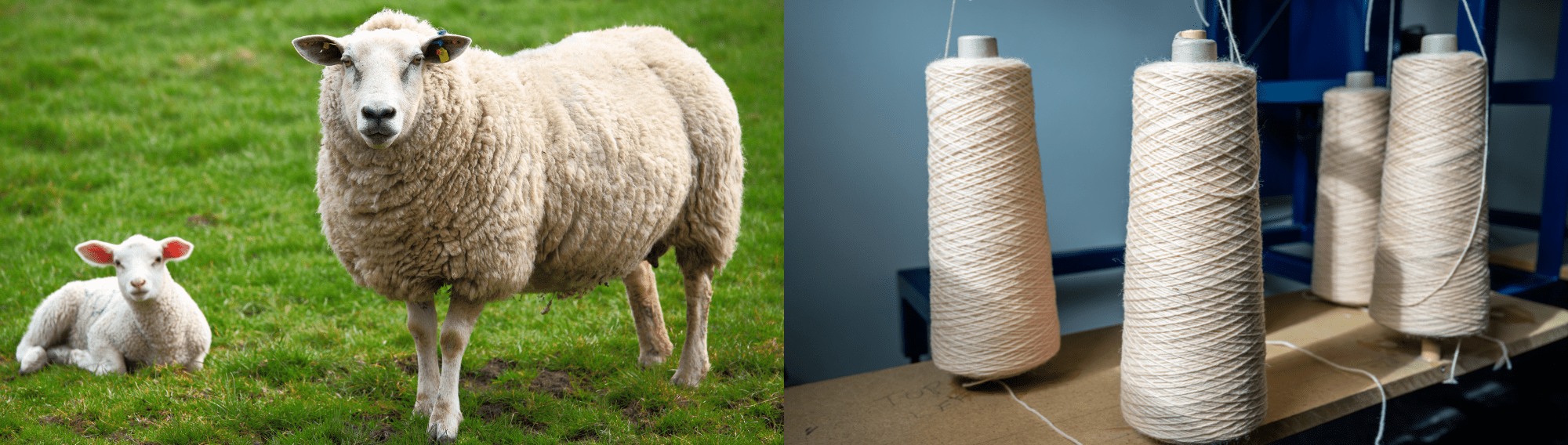
Flannel and wool are sometimes compared as though they're competing fabrics, but that's not quite accurate. Wool is a fiber; flannel is a fabric. In fact, wool can be used to make flannel, and wool flannel has been an important part of traditional tailoring for generations. The easiest way to think about it is to compare it to cooking: wool is the ingredient, while flannel is one way of preparing that ingredient. You can take the same potato and make mashed potatoes, French fries, or a baked potato. The ingredient hasn't changed, but the preparation creates a completely different experience.
The same is true with wool. You can turn wool into a smooth worsted suiting, a textured tweed, a lightweight summer cloth, or a soft wool flannel. Wool itself has a natural crimp that gives it loft and resilience, and it is valued for its ability to manage moisture, regulate temperature, and recover from wrinkles. When that wool is finished as flannel, the raised surface adds another layer of softness and warmth while maintaining the structure and drape that make wool so valuable in tailoring.
If smooth worsted wool is the tailored equivalent of a polished hardwood floor, wool flannel is more like a beautifully worn wooden table. Both are made from the same basic material, but one has a smoother, crisper character while the other has more texture, softness, and warmth. Neither is inherently better; they simply serve different purposes and tell different stories.
Cotton Flannel Has a Different Personality
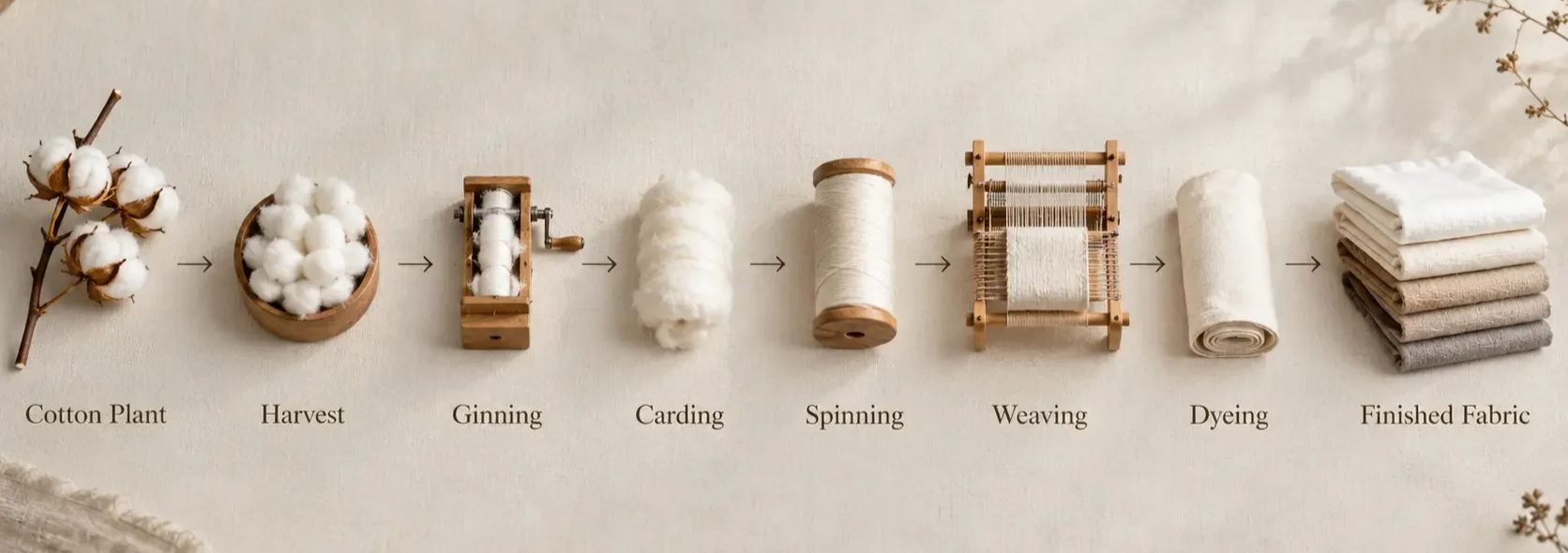
Cotton flannel is probably what most people picture today, and it is particularly well suited to shirts and casual clothing. Cotton flannel is soft, comfortable, and approachable, without the structure or natural resilience of wool. If wool flannel is the tailored member of the family who knows how to dress for dinner, cotton flannel is the one who shows up in jeans, brings coffee, and makes everybody feel more comfortable.
That makes it fantastic for custom shirts. Instead of buying a generic flannel shirt and accepting whatever proportions the manufacturer decided were appropriate, you can create one around your actual body and your wardrobe. Collar shape, cuffs, pocket placement, body length, sleeve length, and overall fit can all be considered. The result can be casual enough for jeans and sneakers while still being polished enough to wear underneath a sport coat. It is the difference between owning a flannel shirt and owning your flannel shirt.
Why Flannel Works So Well in Custom Clothing
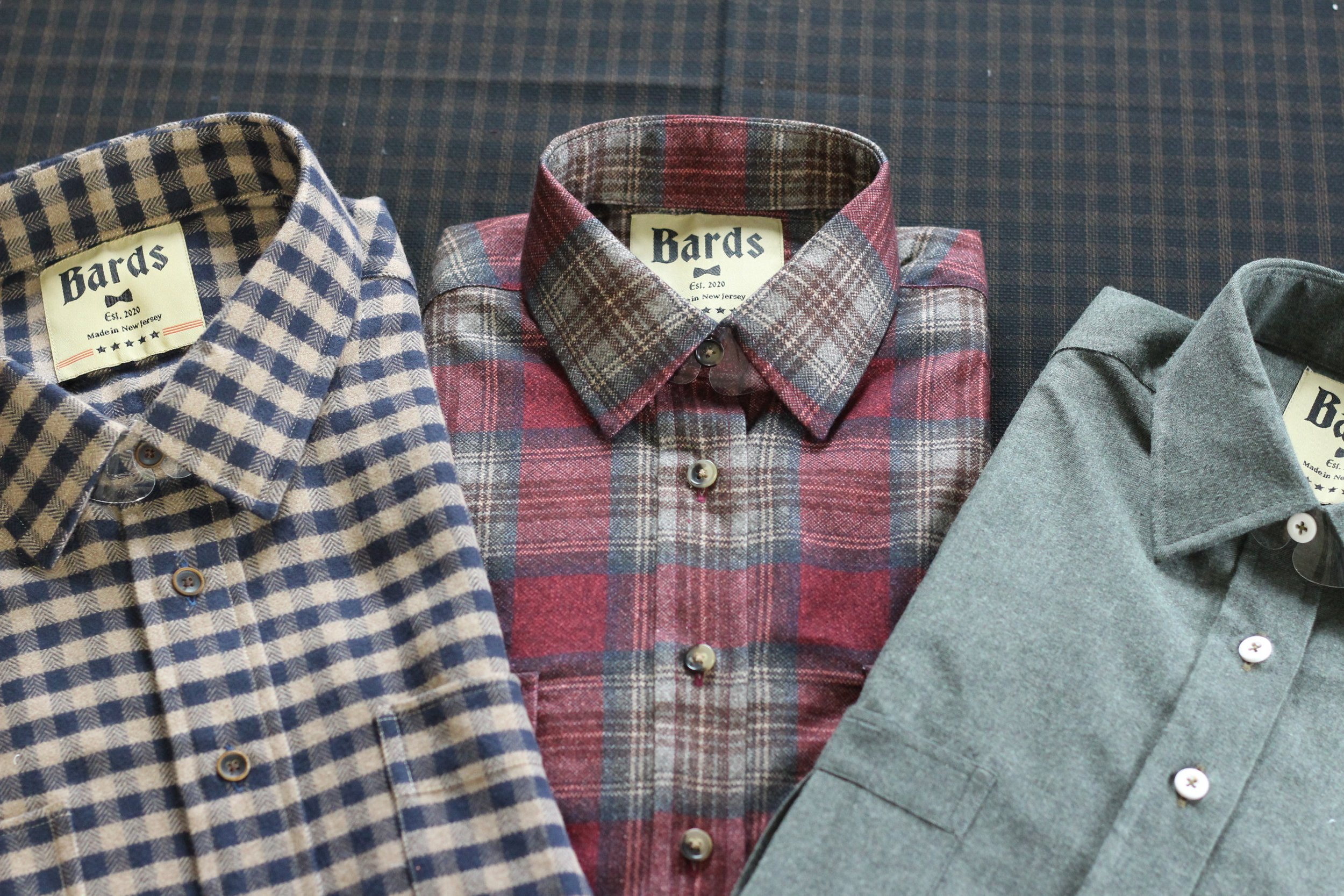
One of the great advantages of custom clothing is that we're not limited to asking what a fabric is traditionally "supposed" to become. We can look at its weight, drape, texture, durability, and purpose, and then determine what garment makes sense for the person wearing it. Flannel happens to be particularly versatile because it can move throughout an entire wardrobe.
Cotton flannel makes an excellent custom shirt, while wool flannel can become beautiful trousers with exceptional softness and drape. A flannel sport coat sits comfortably between casual and formal, working with denim and sneakers just as easily as it can work with dress trousers and a tie. Heavier flannels can become coats, overshirts, and shackets, where their warmth and texture become part of the design. And yes, flannel can absolutely become a suit. A wool flannel suit has a softer, more textured character than a smooth worsted suit, giving traditional tailoring a more relaxed and approachable personality without sacrificing its structure.
That versatility is really where flannel shines. It doesn't demand that you choose between comfort and being well dressed. It can be rugged or refined, casual or formal, traditional or modern, depending on the fiber, weight, weave, finish, and garment you choose. The same basic idea that made flannel useful to a Welsh worker centuries ago can still make it useful in a modern custom wardrobe; we've simply given it considerably more options.
The Point of Custom Flannel
There is something particularly satisfying about flannel in custom clothing because the fabric itself is inherently approachable. It doesn't need a giant logo or an obvious display of status. It has texture, softness, warmth, and character, and those qualities become even more interesting when paired with thoughtful patternmaking and skilled tailoring.
Instead of asking, "What is this fabric normally used for?" custom clothing lets us ask a much better question: "What do you want this fabric to become?" Maybe it's a cotton flannel shirt that becomes your favorite weekend piece. Maybe it's a pair of gray wool flannel trousers that somehow work with half the jackets in your closet. Maybe it's a sport coat, a winter coat, a shacket, or an entire suit. The fabric doesn't have to dictate the answer; your lifestyle does.
Flannel has survived for centuries because it solves a simple problem exceptionally well: people want clothing that feels good, performs well, and looks good while they're wearing it. It started as a practical textile, became workwear, found a place in military and outdoor clothing, became a cultural symbol, and eventually returned to the world of thoughtful tailoring. Through all of those transformations, the fundamental appeal hasn't changed.
It feels good. It has texture. It has warmth. It has personality. And perhaps most importantly, it doesn't require you to choose between comfort and being well dressed. That's a pretty impressive résumé for a piece of cloth. So the next time you hear the word flannel, don't just think about the red plaid shirt. Think about the trousers, the sport coat, the shirt, the coat, or the suit. Flannel isn't just the fabric of the lumberjack; it's one of clothing's great shape-shifters, and there is considerably more to it than meets the eye.