What do you wear to the birth of a Republic?
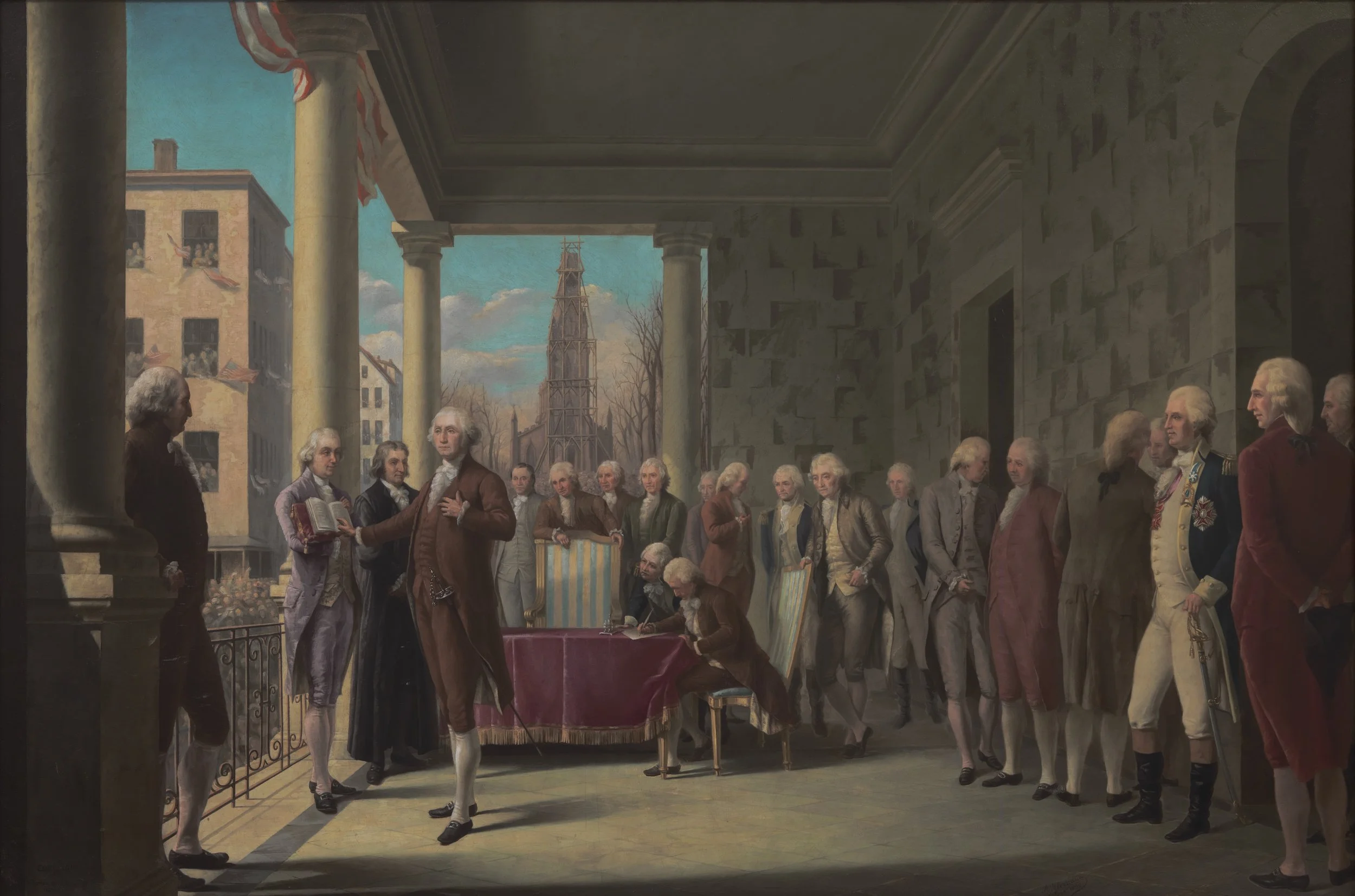
We’re heading back to April 1789. The ink on the Constitution is barely dry, George Washington is headed to New York to be the Big Boss, and John Adams is trekking down from Massachusetts to be "His Superfluous Highness" (Adams’s words, not mine).
But they had a major problem: What do you wear to the birth of a Republic?
The Suit Heard 'Round the World
Back then, if you were a "somebody," you wore British wool or French silk. But wearing the King’s fabric to your own democratic coronation is, well, a bad look.
Enter Jeremiah Wadsworth. Think of Wadsworth as the ultimate hype-man for Connecticut industry. He was a businessman, a congressman, and a guy who took "Buy Local" very seriously. He intercepted Adams on his way to the swearing-in and handed him a bolt of "Federal Brown" broadcloth. He did the same for Washington.
The Hartford "Startup"
The fabric came from the Hartford Woolen Manufactory, located right on the banks of the Little River (now the Park River) in Hartford.
This place was the Silicon Valley startup of 1788. It was the first attempt at a large-scale woolen mill in the U.S. The Hartford mill used fancy new water-powered "fulling" technology to make cloth that was actually dense, soft, and yes even stylish.
The Battle of the Buttons
Now, even though they were wearing the same fabric, Washington and Adams had very different "personal brands."
George Washington: Ever the showman, George had his suit decked out with fancy gilded buttons featuring a winged eagle. He wanted to look like a statesman who could also win a wrestling match.
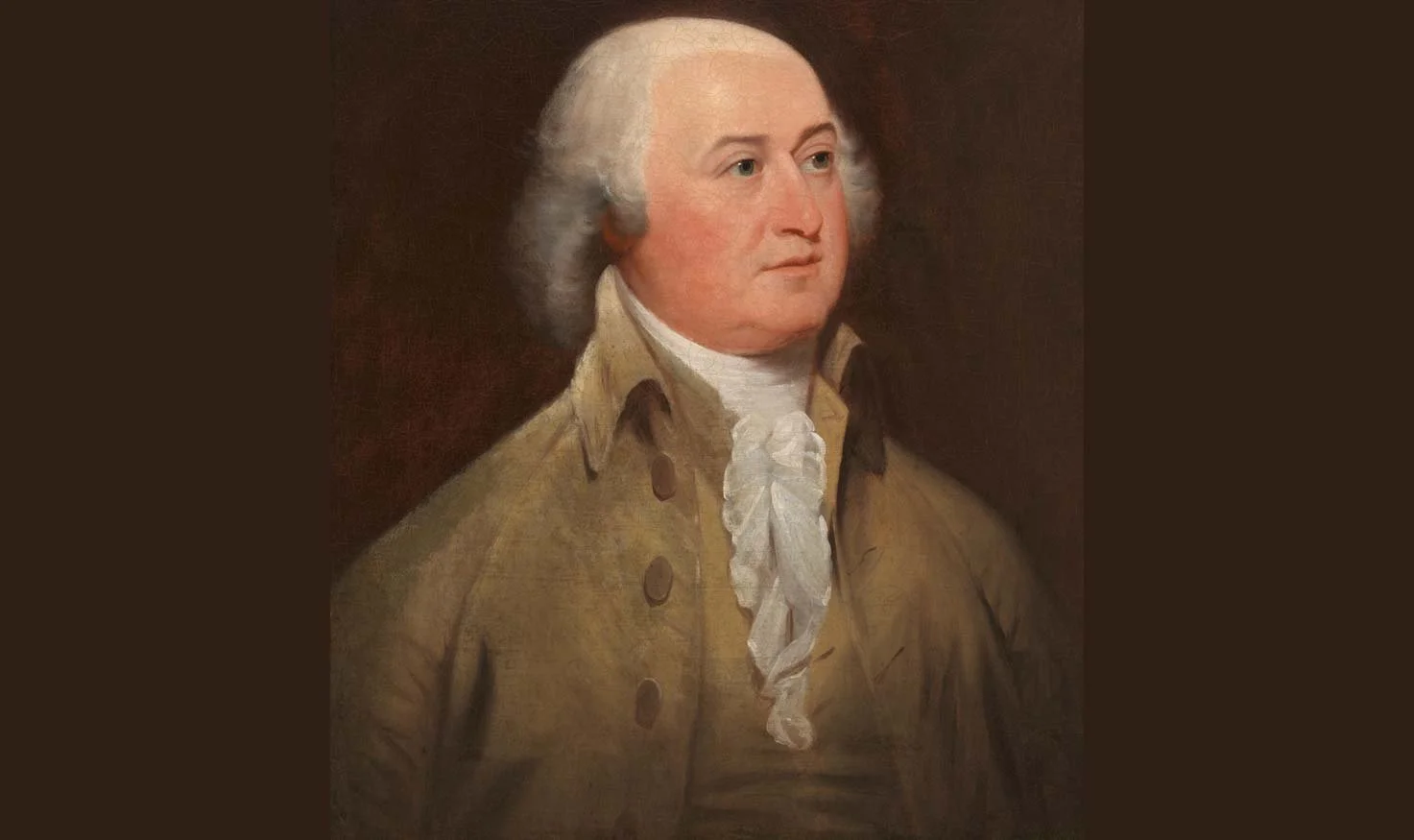
John Adams: Ever the "grumpy accountant" of the Founding Fathers, John went for plain, fabric-covered buttons. He wanted you to know he was there to work, not to win a beauty pageant.
Why Should We Care?
This wasn't just a fashion choice; it was economic warfare. By wearing Hartford wool, they were telling Great Britain: "We don't need your looms, we don't need your sheep, and we definitely don't need your taxes." It was a statement that the United States was officially open for business.
The mill itself didn't last forever—British imports eventually flooded the market and put them out of business by 1795—but the point was made. The "Federal Brown" suit was the first uniform of American independence.
John Adams