The Triangle Shirtwaist Factory Fire: A Turning Point In American Labor
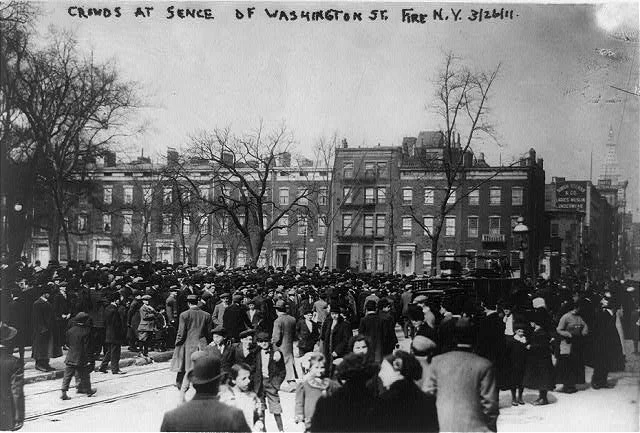
On March 25, 1911, a fire broke out on the upper floors of the Triangle Shirtwaist Factory in New York City. Within minutes, 146 workers lost their lives, most of them young immigrant women who had come to America searching for opportunity and stability. What happened that afternoon would become one of the most consequential moments in American labor history, exposing the dangerous conditions that defined much of the early garment industry.
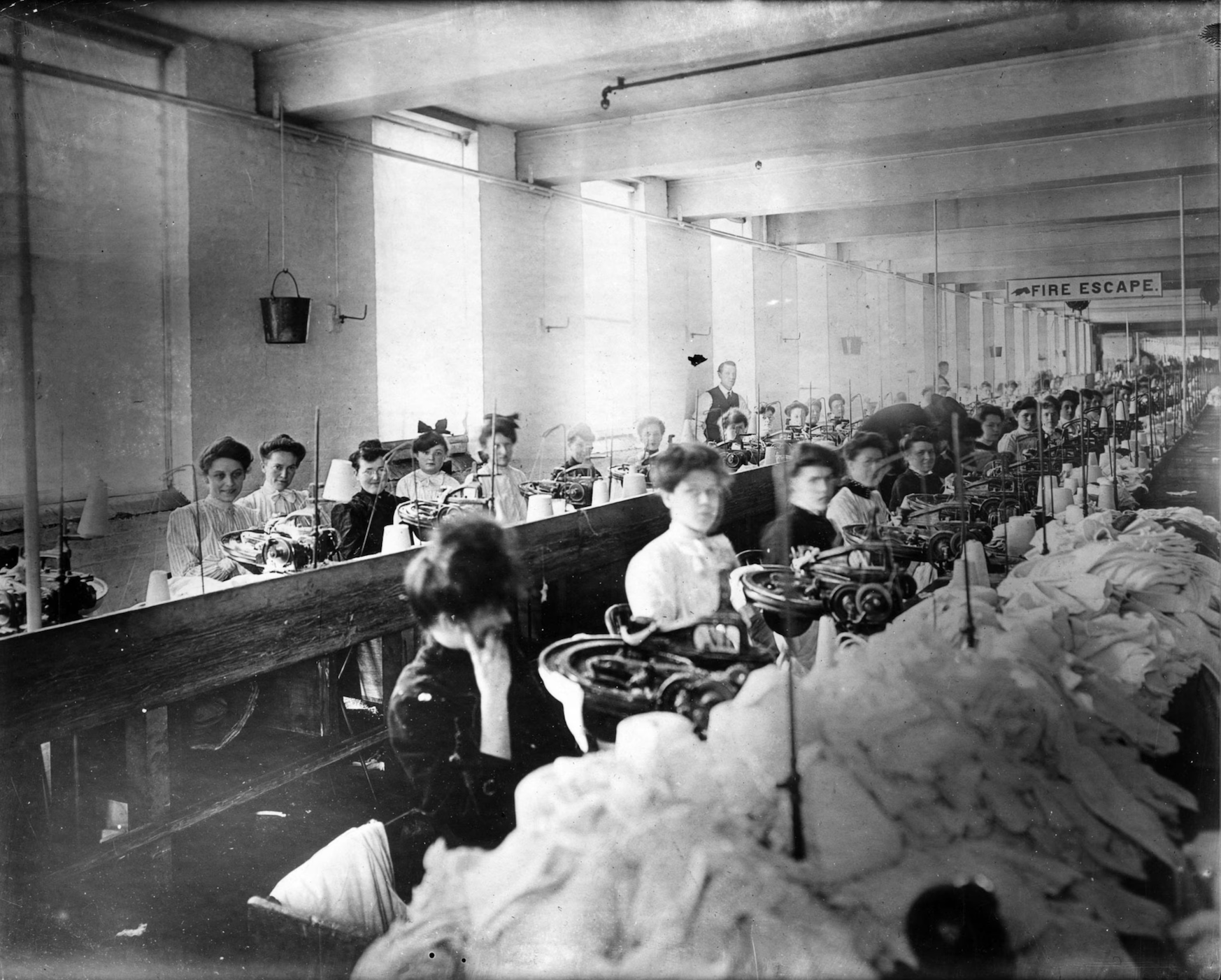
The factory produced “shirtwaists,” a popular blouse worn by women across the country. Inside the building, rows of sewing machines filled crowded floors stacked with fabric scraps and cotton. Workers labored long days, often ten to twelve hours, moving quickly in an environment where productivity mattered more than safety. Exit doors were sometimes locked to prevent theft or unauthorized breaks, and fire precautions were minimal.
What followed was a rare moment of reckoning. Public outrage led to sweeping labor reforms, fire exits, building inspections, regulated hours, standards that reshaped American workplaces and redefined what workers were owed.
These weren’t abstract policies. They were hard-earned protections written in response to real lives lost. The fire forced lawmakers, factory owners, and consumers alike to confront an uncomfortable truth: the true cost of clothing had been hidden in the lives of the people making it. From that moment forward, safety and dignity became part of the conversation, at least within American borders.
But over time, much of the garment industry moved elsewhere, chasing lower costs and faster production. In many of those places, the very protections born from tragedies like Triangle are inconsistent or absent. The conditions didn’t disappear. They were displaced. Distance made it easier not to ask questions, and even easier not to see.

And with that distance came a shift in how we value clothing. When garments are produced far from view, they become easier to treat as disposable, worn a handful of times, then replaced without a second thought. The connection between maker and wearer fades, and with it, the sense of responsibility that once drove reform.
Keeping production domestic does something different. It brings the work, and the responsibility, back into view. It creates transparency. It ensures factories are held to higher standards not just by law, but by proximity, by community, by the simple act of being able to look someone in the eye and know who made your clothing.
It also preserves something deeper than regulation, it preserves pride in craft. American garment workers aren’t anonymous hands in a distant system; they are skilled individuals carrying forward a tradition that once defined this country. When we support domestic production, we’re not just choosing better-made clothing, we’re choosing to sustain livelihoods, communities, and a standard of care that was fought for over generations.
The legacy of the Triangle fire isn’t just about what happened then. It’s about what we choose now.
Support American garment workers. Choose fewer, better pieces. Ask where your clothing comes from.
Because every garment still carries a story.