Where It Started: A Mill, A Memory, And The Meaning Of Making
There is a memory that has stayed with me far longer than I ever expected, one that traces all the way back to a grade school field trip to the Lowell mills in Massachusetts, and while it could have easily been remembered for something small or fleeting, like a classmate letting me listen to Oops!... I Did It Again on her Discman or the disappointment of dropping my Snapple at the very start of the day, that is not what remained.
What stayed with me was the machinery, the overwhelming scale of it all, and the feeling of standing inside something that was both deeply mechanical and undeniably human at the same time, where even as a kid I could sense this quiet but powerful juxtaposition between industry and beauty, between the raw process of making and the finished product that people would eventually wear.
That experience planted something in me, something that would take years to fully understand, but would eventually shape how I see this entire industry.
The difference between fashion and style
As I grew older and began to reflect on that moment, I realized that what I had felt was tied to something much bigger, which is the distinction between fashion and style, where fashion is often fleeting and reactive, while style is intentional and lasting, yet beneath both of them, whether we acknowledge it or not, is labor.
Behind every garment is a worker, a set of hands that have spent years refining a craft, a person who understands how to take something raw and transform it into something meaningful, and no matter how far removed we may feel from that process today, the truth remains that nothing moves without the worker.
When making became a memory
At some point in America, we did not simply lose visibility into this kind of work, but instead began to reframe it, turning working with our hands into something nostalgic, something that belonged to another time, something that children would only encounter on field trips or in museums where it is explained as part of history rather than something still very much alive.
In doing so, we created distance, not just between ourselves and the act of making, but between the garments we wear and the people who brought them to life, which has fundamentally changed how we value both.
The reminder: it never left
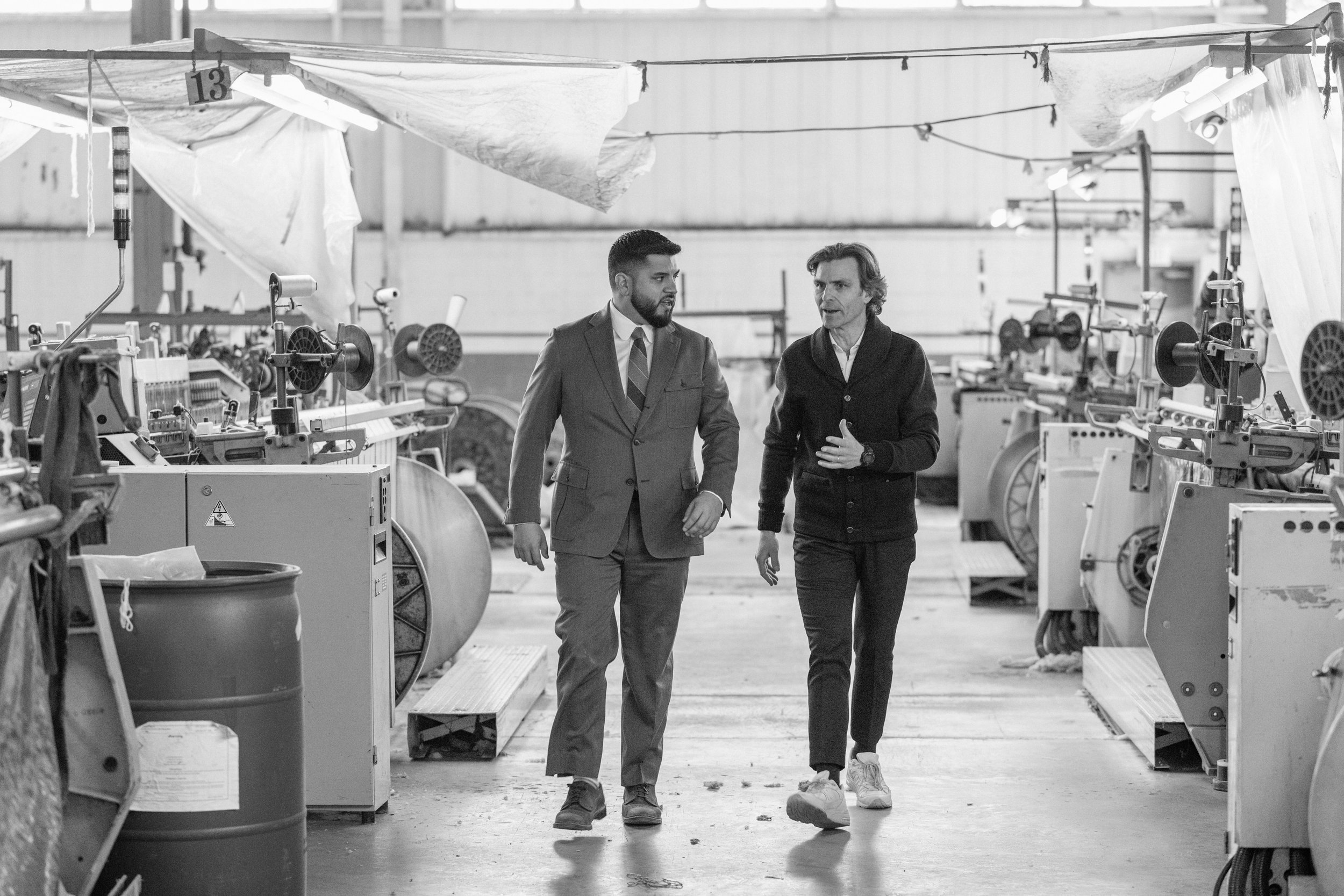
The first time I stepped into American Woolen Company here in Connecticut, I was reminded of something simple but incredibly important, which is that just because we have collectively forgotten how to make things does not mean that people have stopped making them.
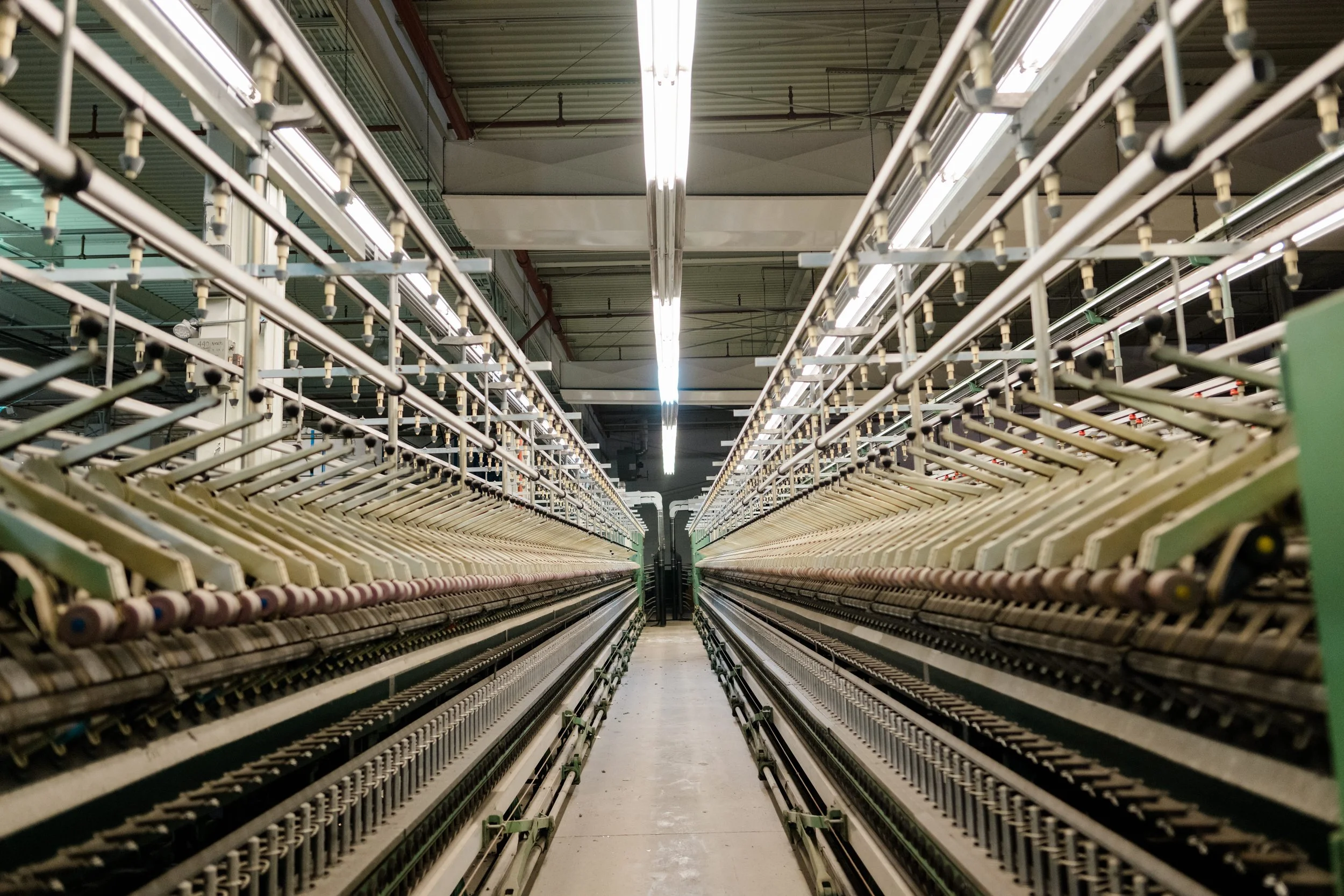
The machines are still running, the cloth is still being woven, and the hands behind the work are still there, steady, skilled, and intentional, continuing a tradition that never actually disappeared, even if we chose to look away from it.
And in that choice, we did not just lose jobs or industries, but something deeper, which is our connection to craft, our respect for the people who make what we wear, and our understanding of what it truly means to build something with purpose.
Why it matters now
At Bards Clothing, this is where everything begins, not with trends or seasonal cycles, but with the belief that clothing should carry meaning, that it should reflect both the person who wears it and the hands that made it, and that it should be built to last rather than to be replaced.
We are not simply making garments for the sake of consumption, but creating pieces that tell a story, your story and the story of the people who brought that garment into existence, connecting you to something much larger than the moment you put it on.
Because when you choose American-made clothing, when you choose craftsmanship over convenience, you are making a decision that supports a living system of mills, makers, and tradespeople who are still committed to doing things the right way.
Bringing it back, one garment at a time
I do not expect everyone to pick up a trade or completely change the way they live, but I do believe that we can begin to see things differently, to develop a deeper respect for the work behind what we wear, and to recognize that these industries are not relics of the past but living, necessary parts of our present.
Because in the end, this is about more than clothing, it is about reconnecting with the act of making, with the value of craft, and with the people who continue to carry that responsibility forward every single day.
And there is no better place to start than with what we choose to wear.
Wear your story.