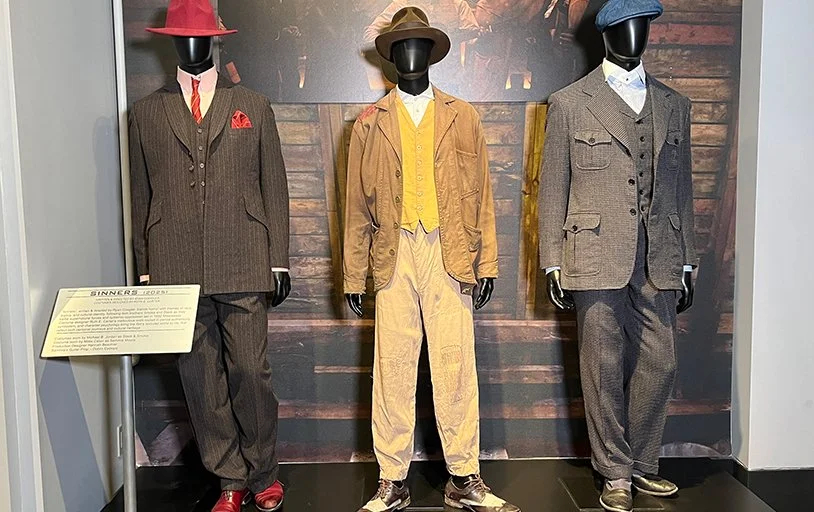
The Threads Of History: How Sinners Uses Costume Design To Bring The 1930s South To Life
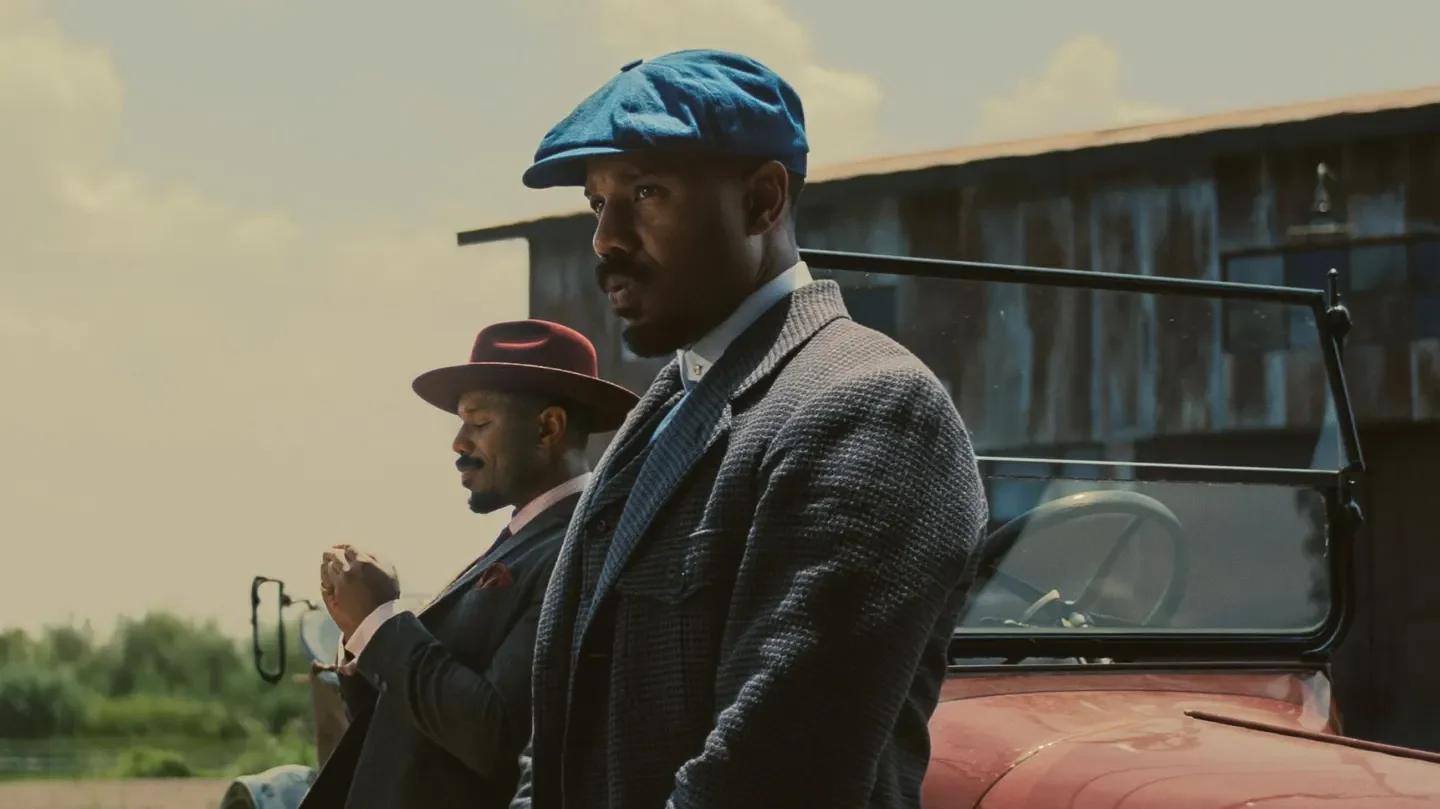
The film Sinners is many things at once: a Southern Gothic horror story, a blues-infused cultural epic, and a meditation on lineage in the American South. Yet one of its most striking achievements lies not in the supernatural elements, but in the quiet authority of its wardrobe. The costumes, designed by the celebrated Ruth E. Carter, function almost like historical documents, grounding the film’s surreal narrative in the lived realities of the early 1930s Mississippi Delta. Through fabric, silhouette, and wear, the film constructs a world that feels not merely inspired by history but deeply embedded within it.
Set in 1932 during the Great Depression, Sinners returns viewers to the Jim Crow South, a region where the legacy of slavery had not vanished but had simply evolved into new systems of control and inequality. Carter approached the wardrobe with that social context in mind, drawing heavily from archival photographs, historians, and regional research to capture the look and texture of Black Southern life during this period. The clothing seen throughout the film, loose work shirts, worn trousers, suspenders, and practical dresses, reflects the realities of sharecropping communities, where garments were often repaired repeatedly and passed down through families rather than replaced. The costumes are intentionally imperfect: fabrics appear sun-faded, hems frayed, and boots scuffed by labor. These details communicate a kind of authenticity that historical films often overlook.

One of the film’s most compelling uses of costume is its portrayal of social mobility and identity through tailoring. The twin protagonists, played by Michael B. Jordan, embody two distinct relationships with style. One brother dresses with the sharp confidence of a man who has spent time in northern cities, wearing tailored suits, pinstripes, polished shoes, and accessories such as collar bars and watch chains that were fashionable among stylish men of the early 1930s. These choices signal aspiration and urban influence, reflecting the migration patterns that brought many Black Southerners to cities like Chicago during the early twentieth century. In contrast, other characters remain dressed in the more utilitarian clothing of rural laborers, visually reinforcing the divide between those who have left the Delta and those still bound to it.
Carter also uses costume to reflect cultural continuity within Black communities of the South. Scenes set in the film’s juke joint, where music, community, and spirituality intersect, feature brighter fabrics, looser silhouettes, and subtle embellishments that evoke the expressive spirit of blues culture. The clothing in these moments becomes celebratory rather than purely functional, suggesting how style often served as a form of dignity and self-expression even within oppressive social systems. Carter has spoken about consulting historians and cultural scholars to understand traditions such as Hoodoo and other spiritual practices that informed the visual identity of certain characters. As a result, the wardrobe is not just historically accurate, it is culturally informed.
The film’s scale also contributes to its sense of authenticity. Large ensemble scenes required hundreds of period-appropriate garments, many of which were drawn from extensive research Carter had already conducted for other early-twentieth-century projects. Background actors were dressed in carefully sourced clothing that matched the time period, ensuring that even distant figures within a frame felt historically believable. This attention to detail helps create the immersive atmosphere that period films depend upon; the viewer is not distracted by anachronism or stylization but instead drawn deeper into the world of the story.
What ultimately makes the costume design in Sinners so effective is its balance between historical accuracy and storytelling. Carter does not treat clothing as static museum pieces. Instead, each garment becomes a narrative tool, revealing class, migration, ambition, and cultural identity. The wardrobe reflects the tension between survival and self-expression that defined life in the Depression-era South. Even within the film’s supernatural framework, the clothing anchors the story in a recognizable human past.
In this way, the costumes of Sinners achieve something rare in historical filmmaking. They do more than replicate an era; they illuminate it. By weaving together archival research, cultural context, and character psychology, Ruth E. Carter transforms clothing into a form of historical storytelling, one that allows the past to feel tangible, personal, and alive.